Argentina
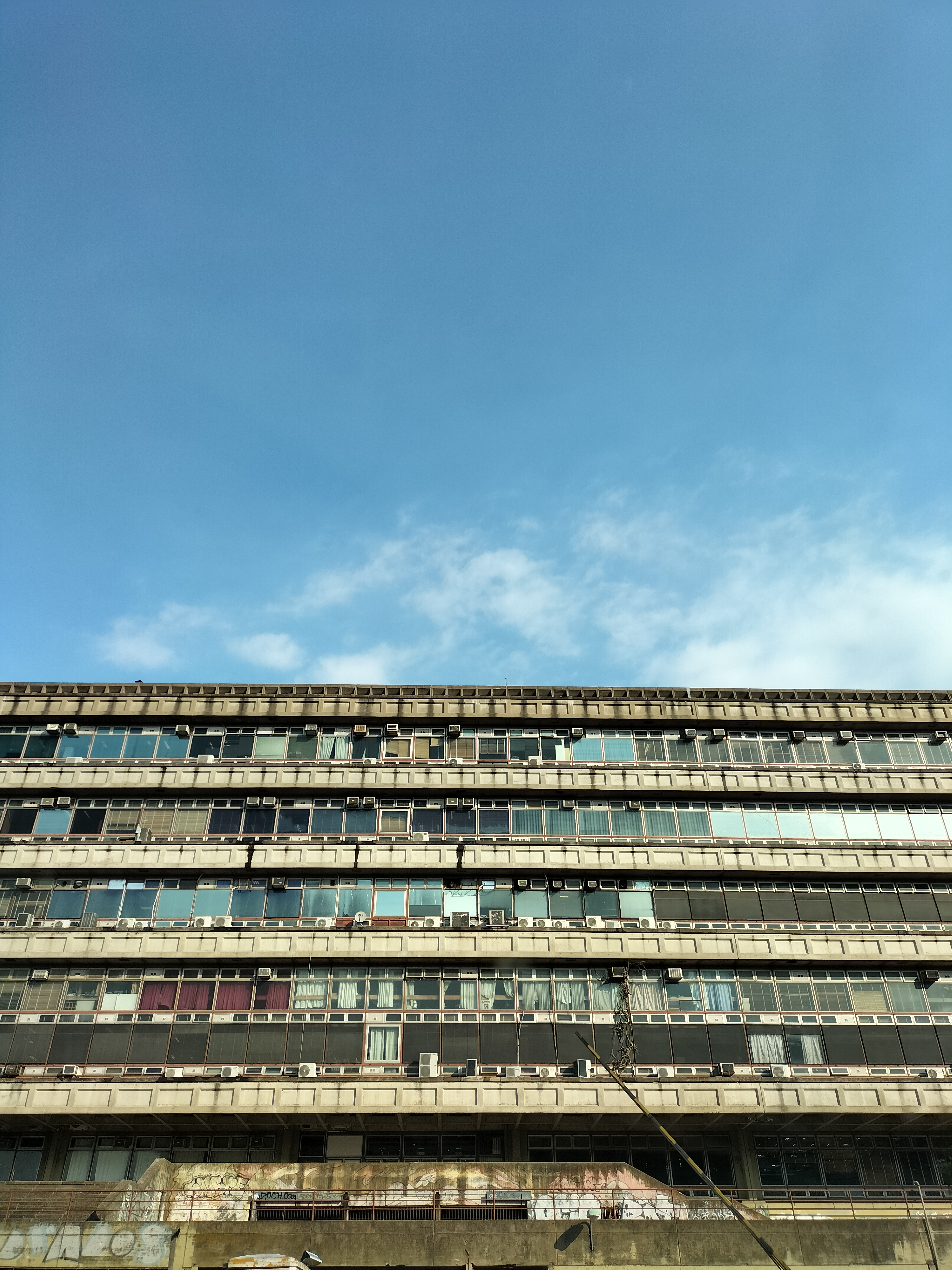
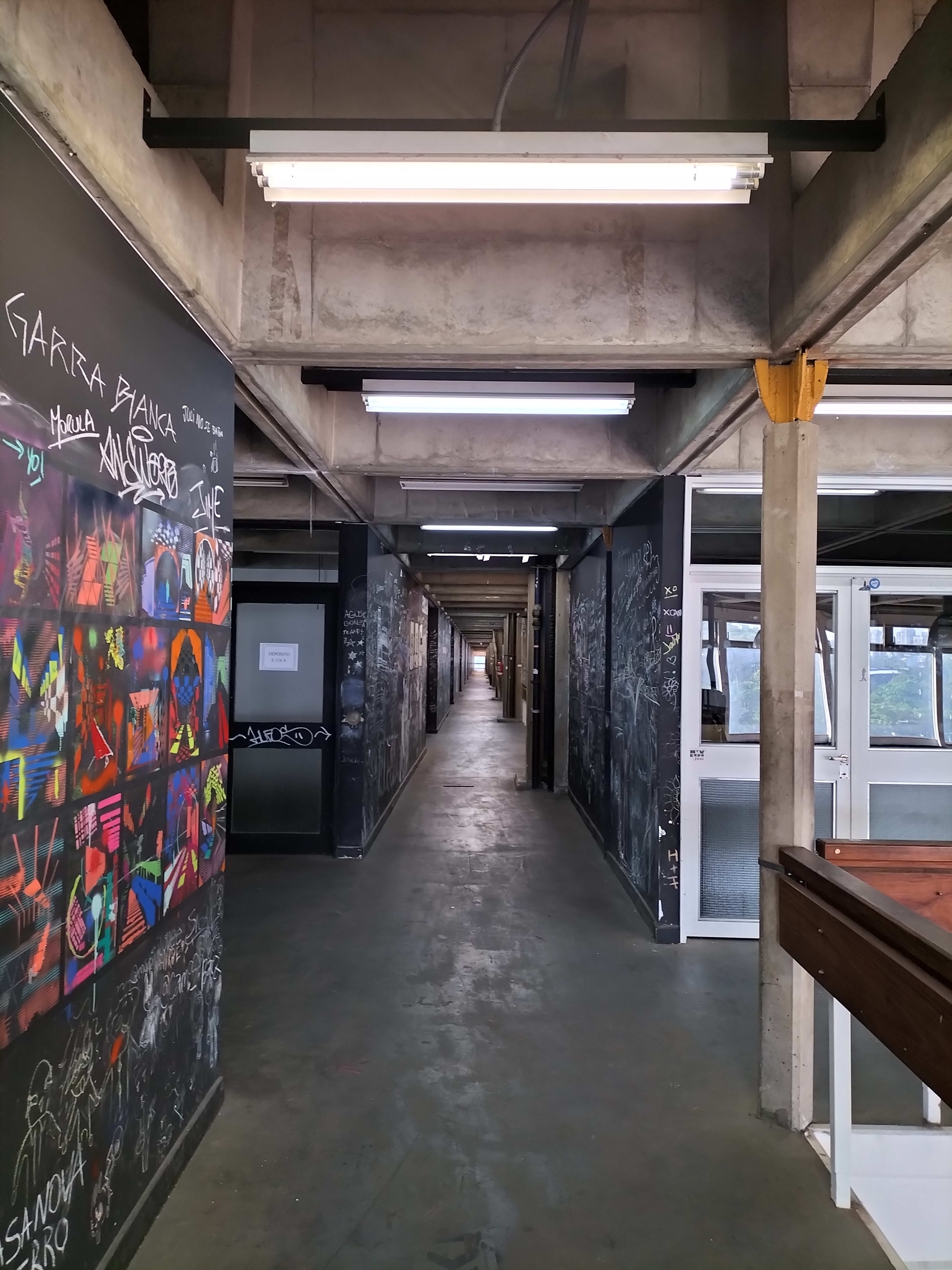
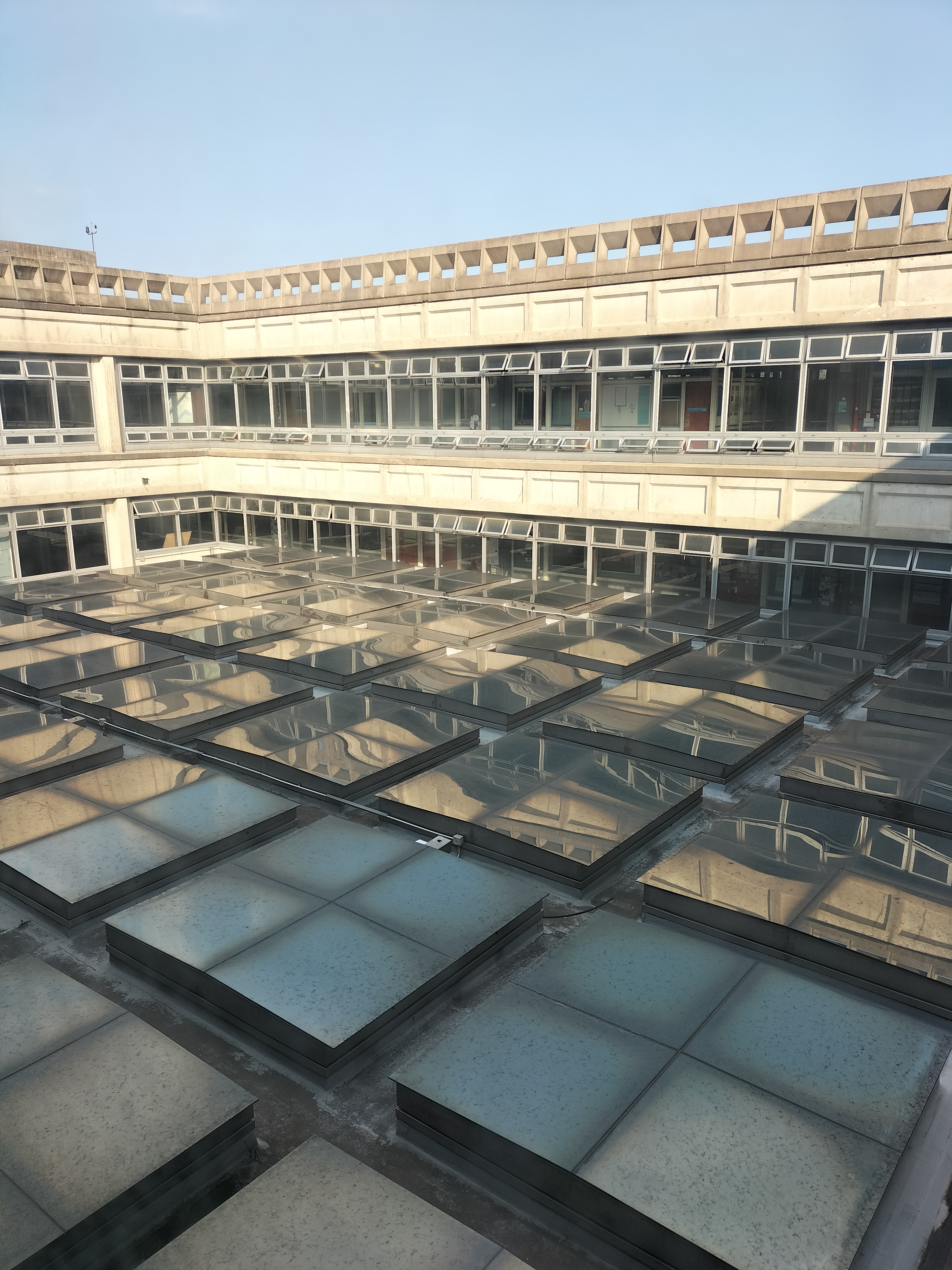
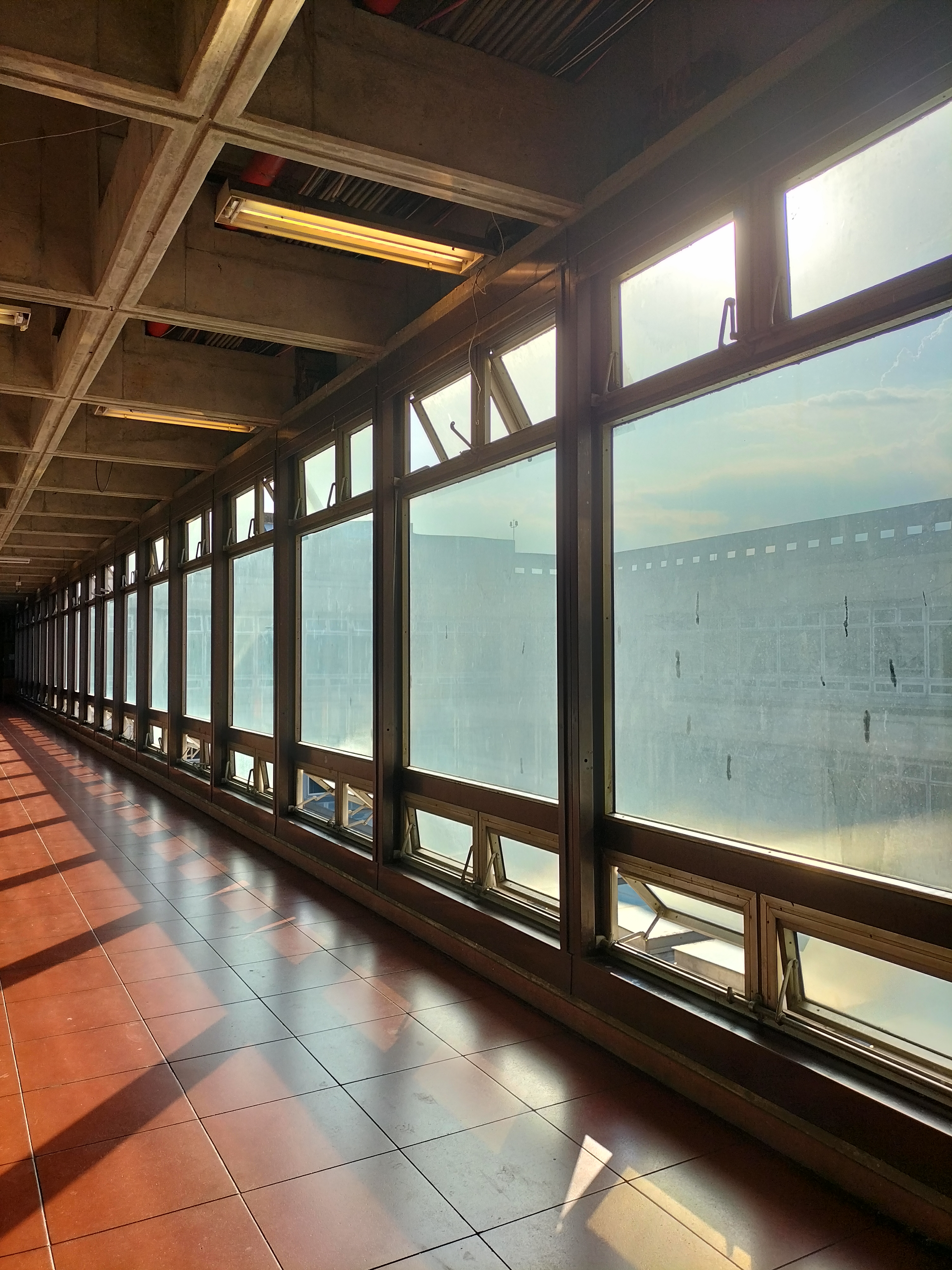
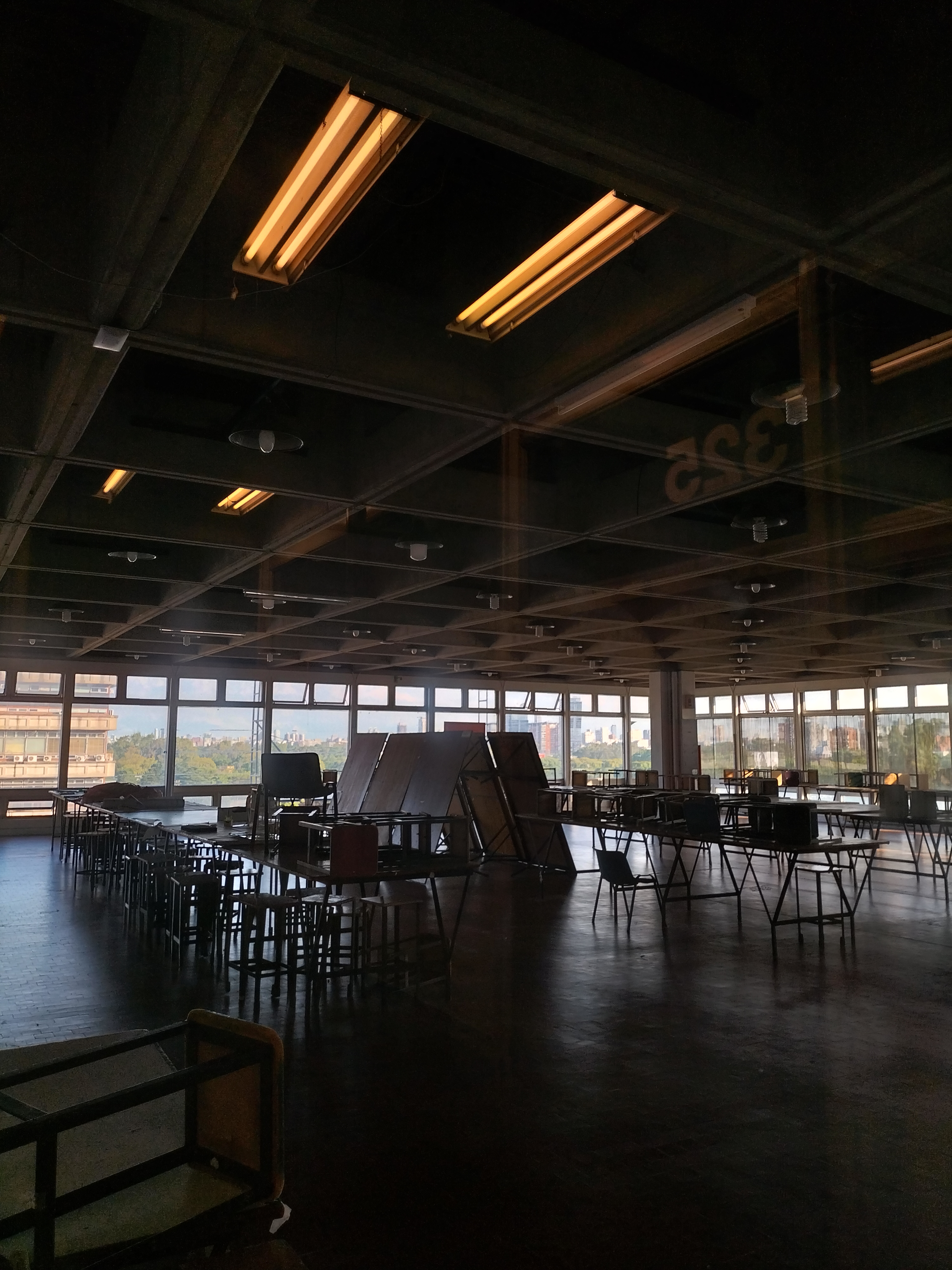
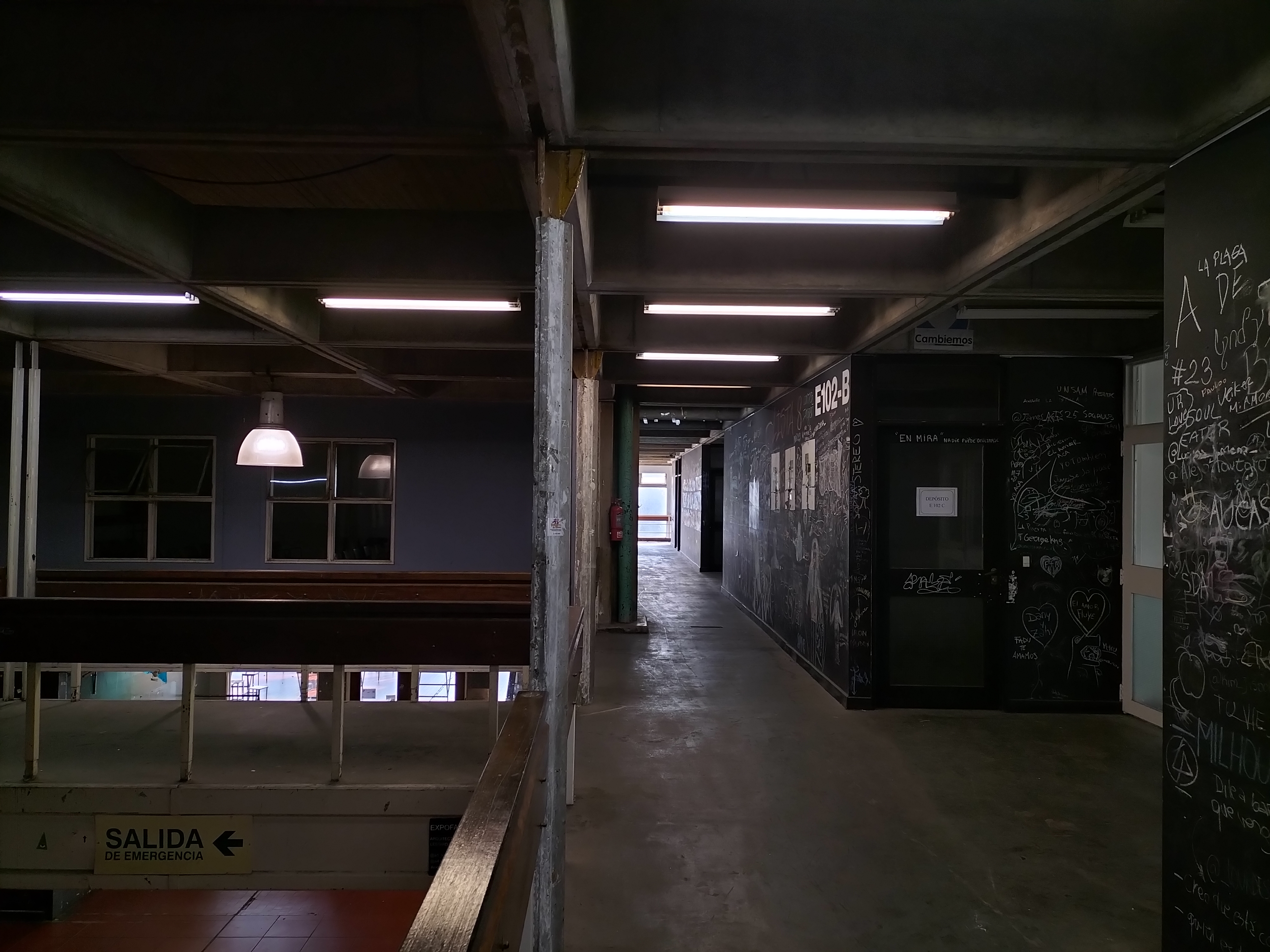
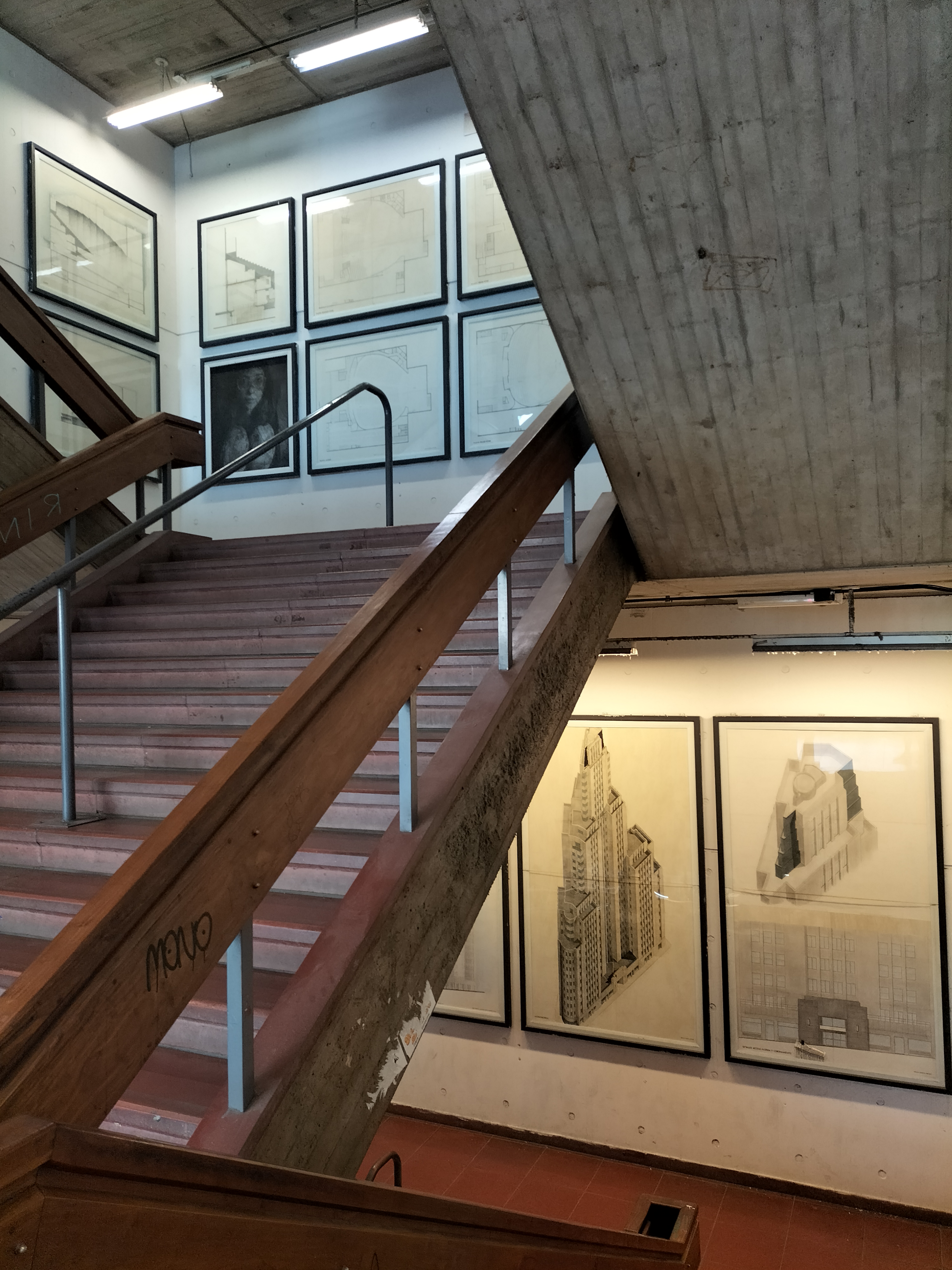
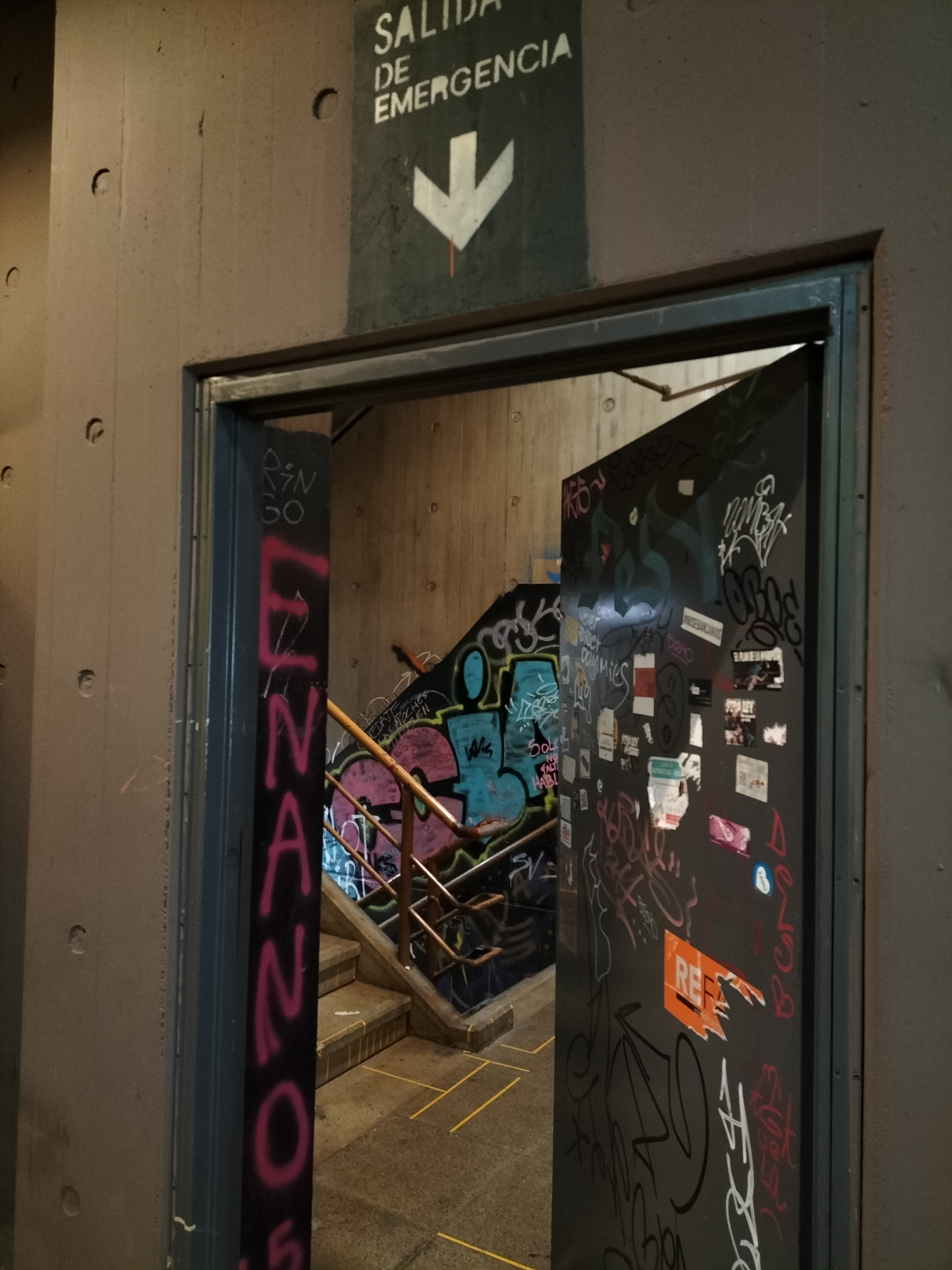
University Campus of Buenos Aires
Location: Nuñez, Buenos Aires, Argentina.Founded: The campus started developing in the 1960s to centralize various UBA faculties.Faculties Present: Notably includes the Faculty of Architecture, Design, and Urbanism (FADU), Faculty of Exact and Natural Sciences (FCEN), and Faculty of Engineering.Size: It covers an area of approximately 110 hectares, with modern buildings, green spaces, and recreational areas.
A lesser-known fact about Ciudad Universitaria is that its open, green spaces have become a haven for birdwatching enthusiasts. Given its proximity to the Costanera Norte Ecological Reserve and the Río de la Plata, the campus attracts various species of migratory birds, including herons, egrets, and even some rare species during the migration season. The green areas around the university are also popular for outdoor events and sports.
Another surprising detail is that parts of the campus were once intended to host an international scientific complex, a project that never fully materialized due to economic constraints.
Cultural Events: The campus is often used for art exhibitions, concerts, and even film screenings, making it a dynamic cultural center within the city.
Green Spaces: It is one of the few university campuses in Buenos Aires with large green areas, providing students and visitors with open spaces for recreation, study, and social activities.
Science Park: In recent years, UBA has developed a Science Park (Parque de las Ciencias), an educational space within the campus where interactive exhibits showcase different scientific principles, offering a hands-on learning experience for both students and visitors.


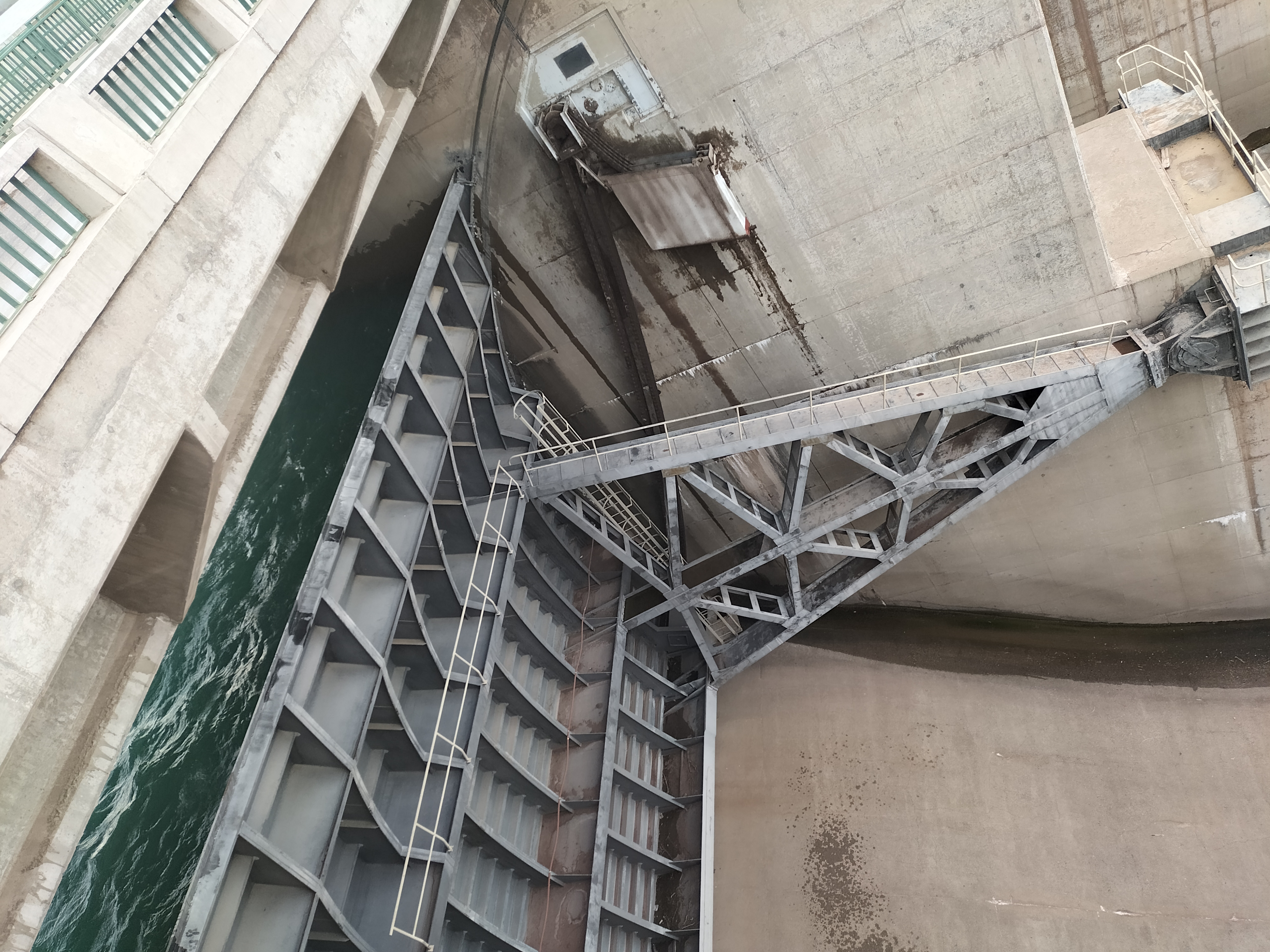
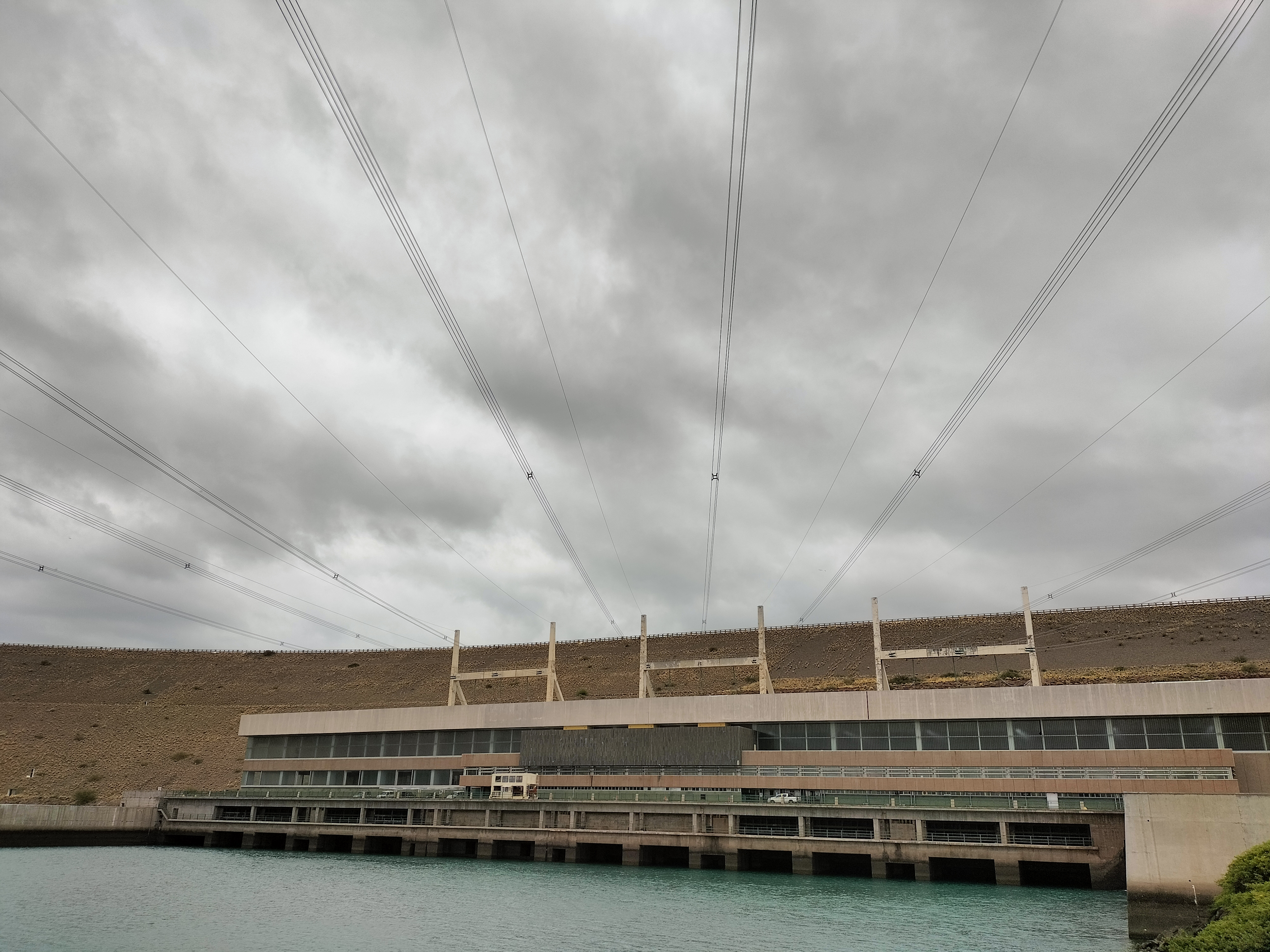
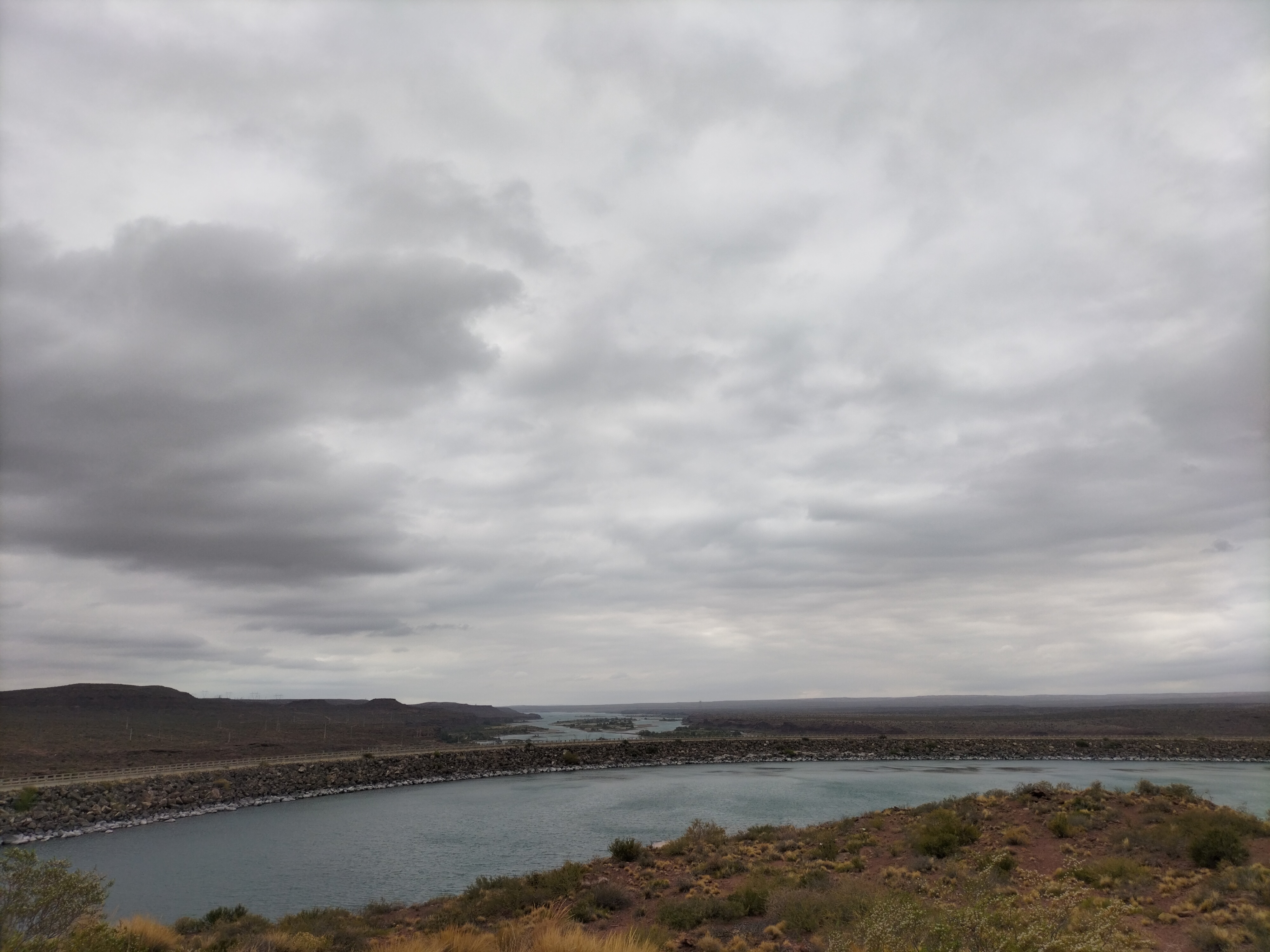
Location: Neuquén Province, on the Limay River.Construction Period: 1968 to 1973.Height: Approximately 86 meters (282 feet).Length: The dam extends for around 2.5 kilometers (1.55 miles).Capacity: Generates approximately 1,200 megawatts, making it a major contributor to Argentina’s national energy grid.
A fascinating, lesser-known fact is that El Chocón is also a significant paleontological site. While constructing the dam, workers uncovered numerous dinosaur fossils, including remains of the Giganotosaurus, one of the largest carnivorous dinosaurs ever discovered. A paleontological museum, Museo Paleontológico Ernesto Bachmann, was established near the dam, attracting both scientists and tourists to the region.
Additionally, the reservoir created by the dam, known as Embalse El Chocón, is so vast that it has altered the local climate by moderating temperatures, making the surrounding area more livable.
El Chocón Village: The dam’s construction led to the development of a nearby village, Villa El Chocón, which was originally built to house workers. Today, it has become a small tourist town known for its dinosaur history and scenic views of the artificial lake.
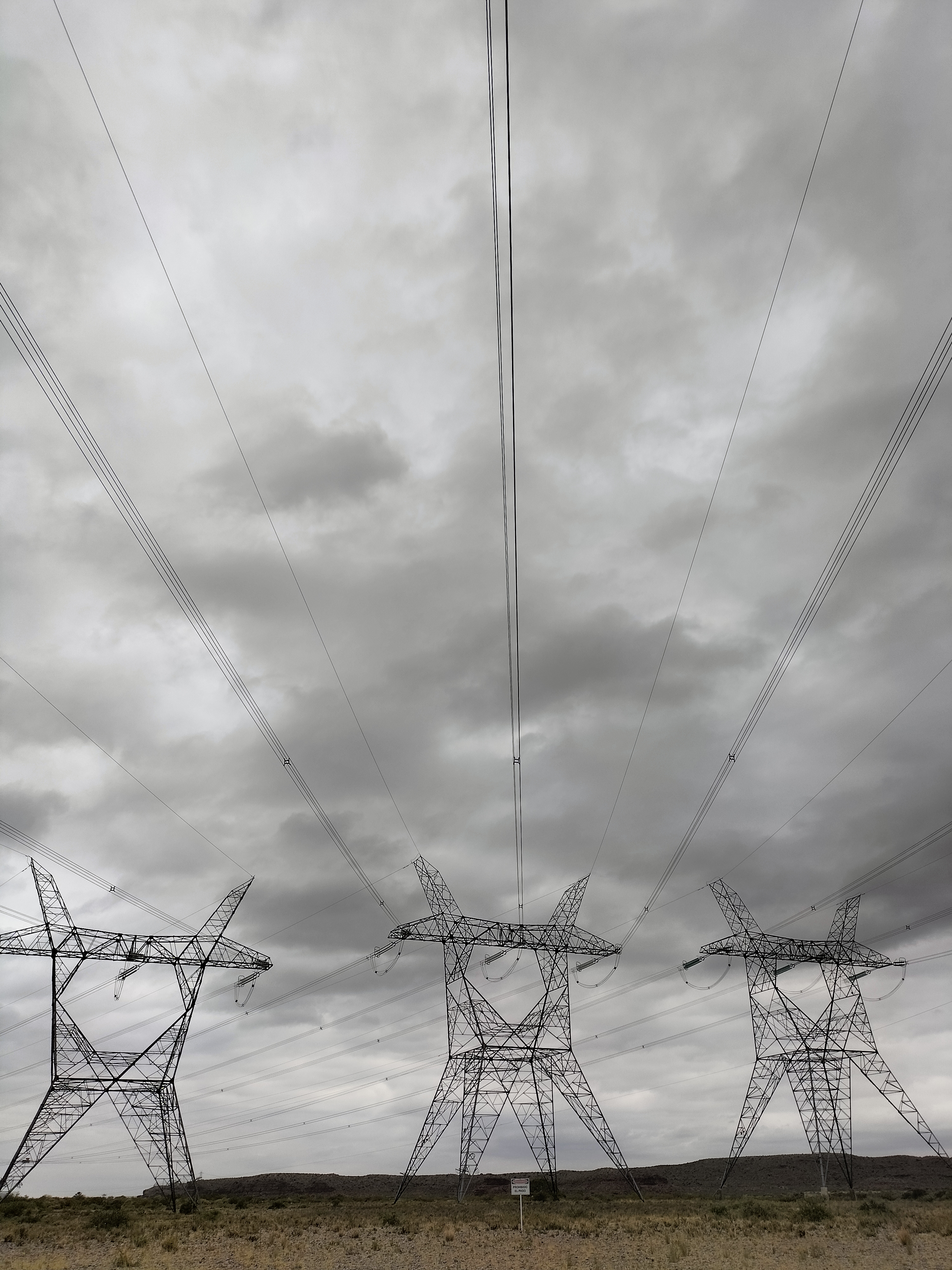
Hydropower Contribution: The dam produces enough energy to power large parts of Argentina’s Patagonian region and contributes significantly to the national grid, with around 20% of Argentina’s hydroelectric capacity.
Artificial Lake: The reservoir behind the dam, El Chocón Lake, is one of Argentina’s largest artificial lakes and has become a destination for water sports, fishing, and boating.
Cultural Significance: Due to its scale and economic impact, the dam is often referred to as “the Argentine Niagara,” a nod to its importance in the country’s development.



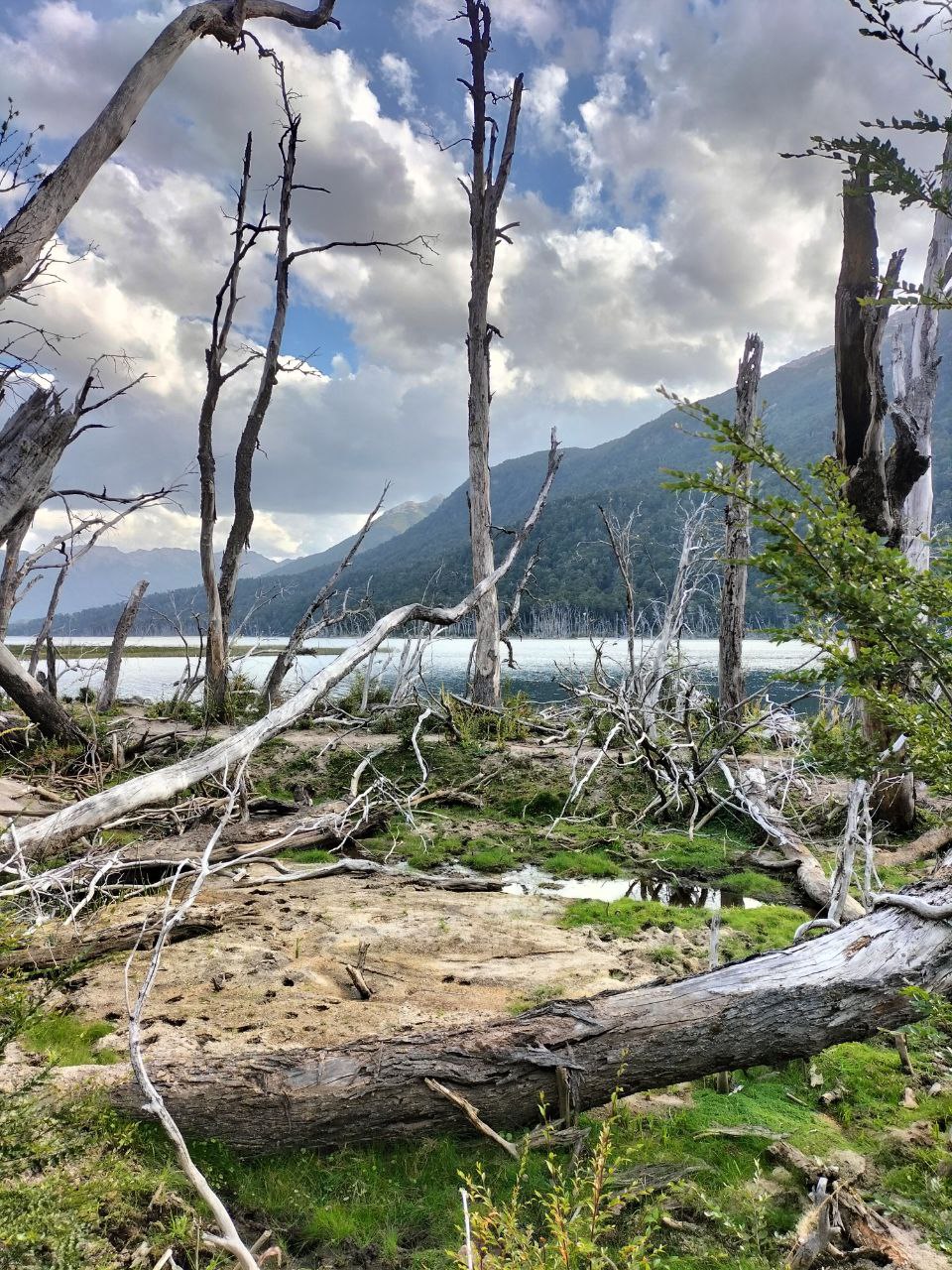
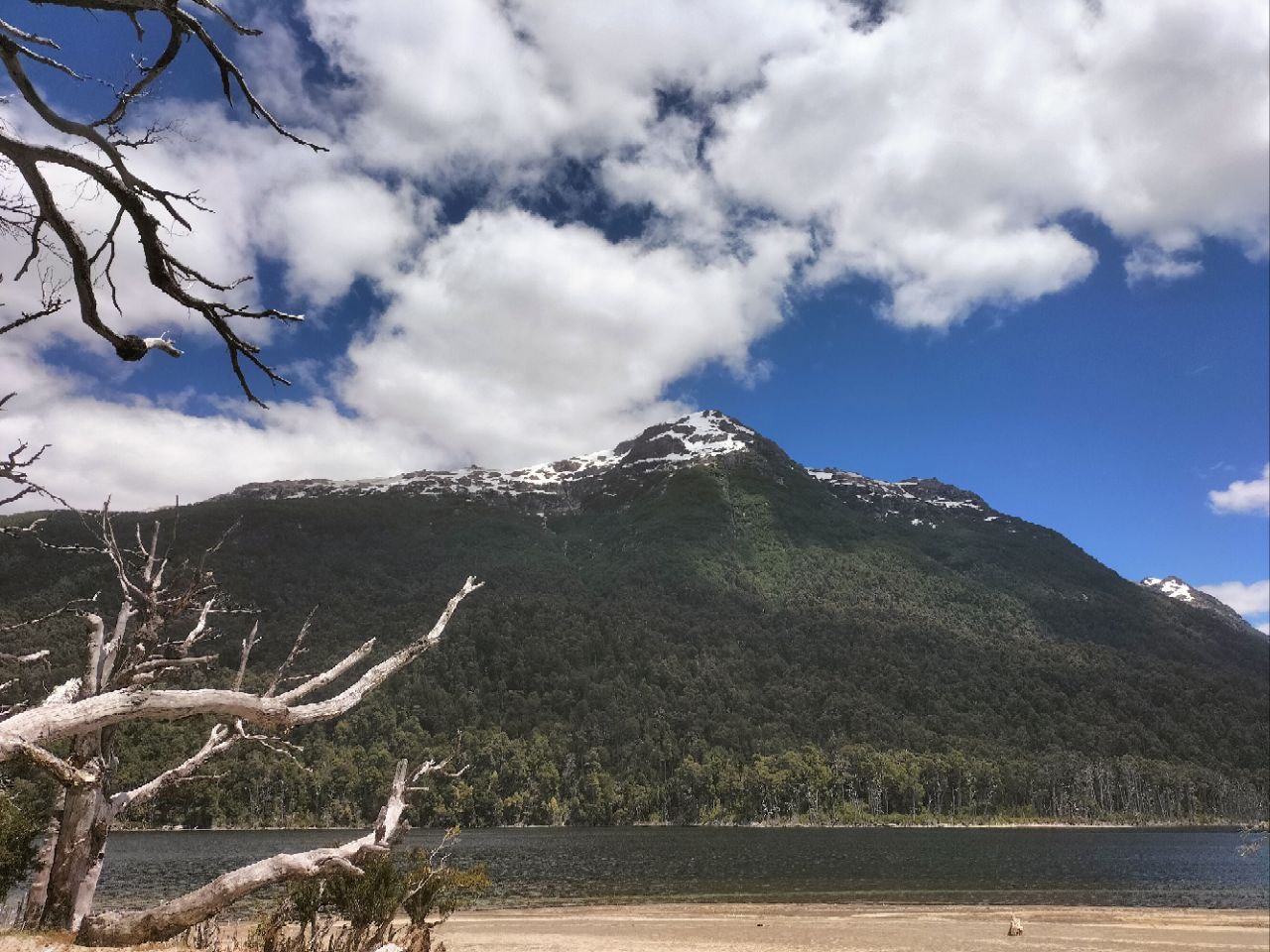
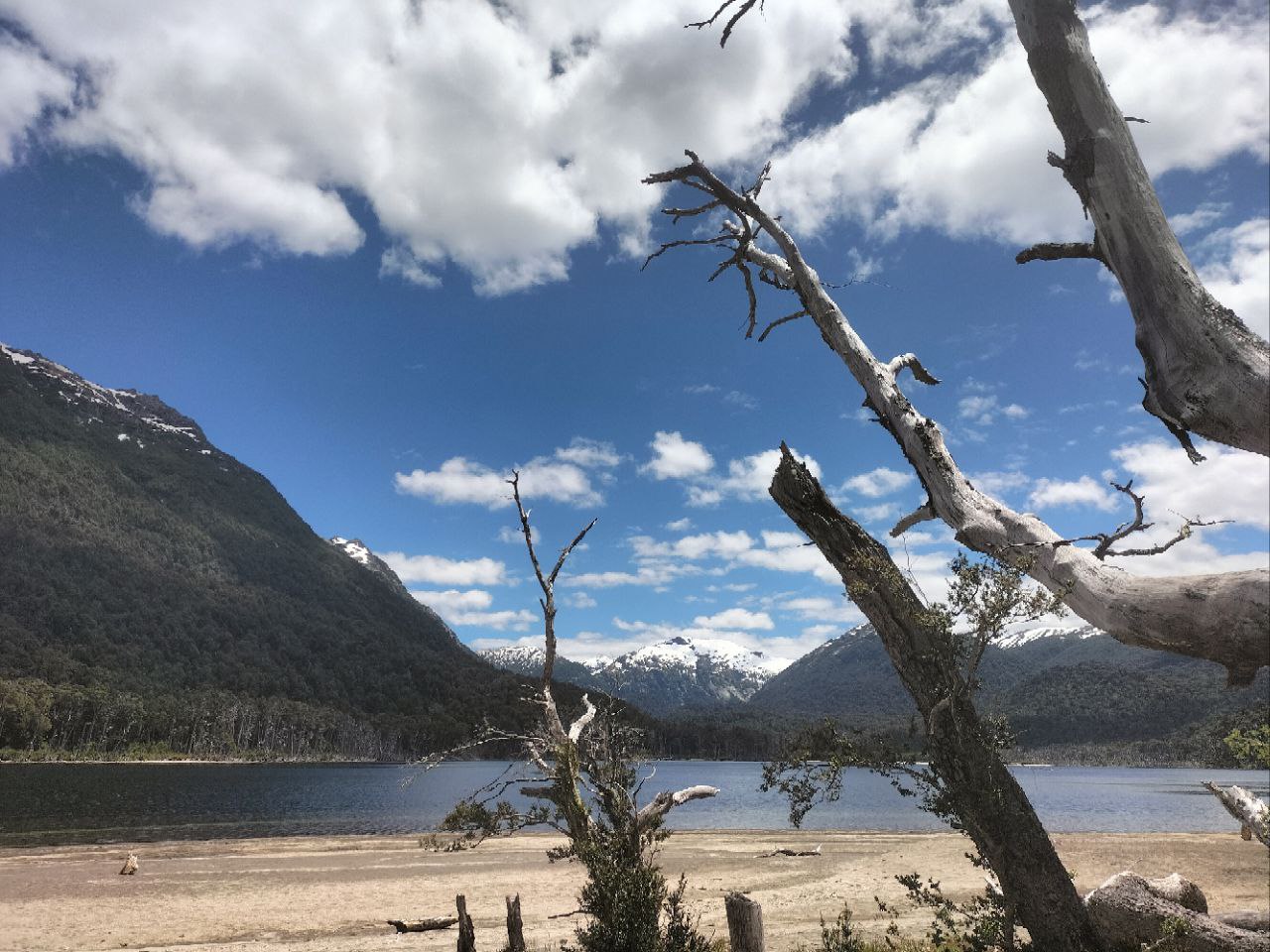
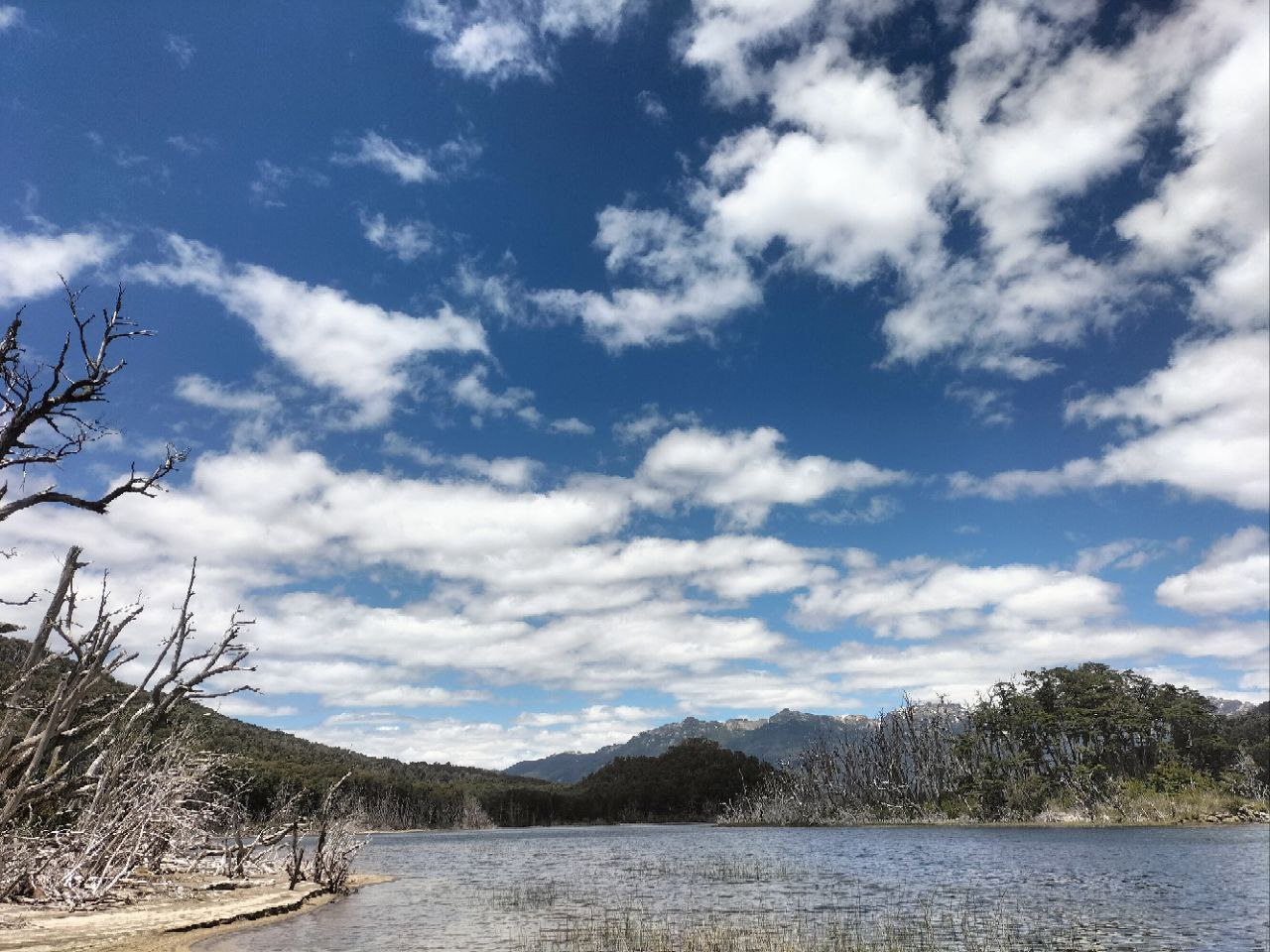
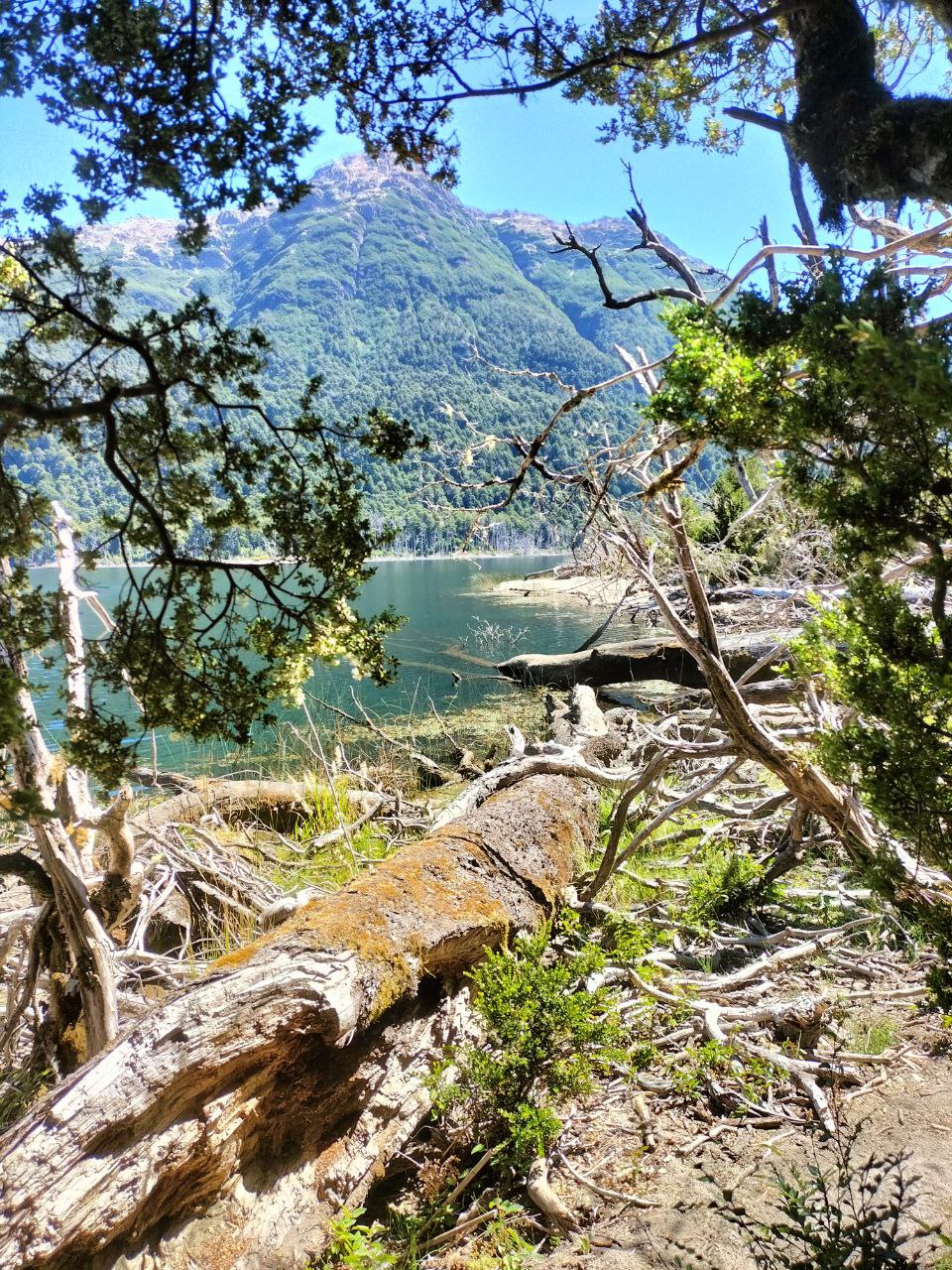
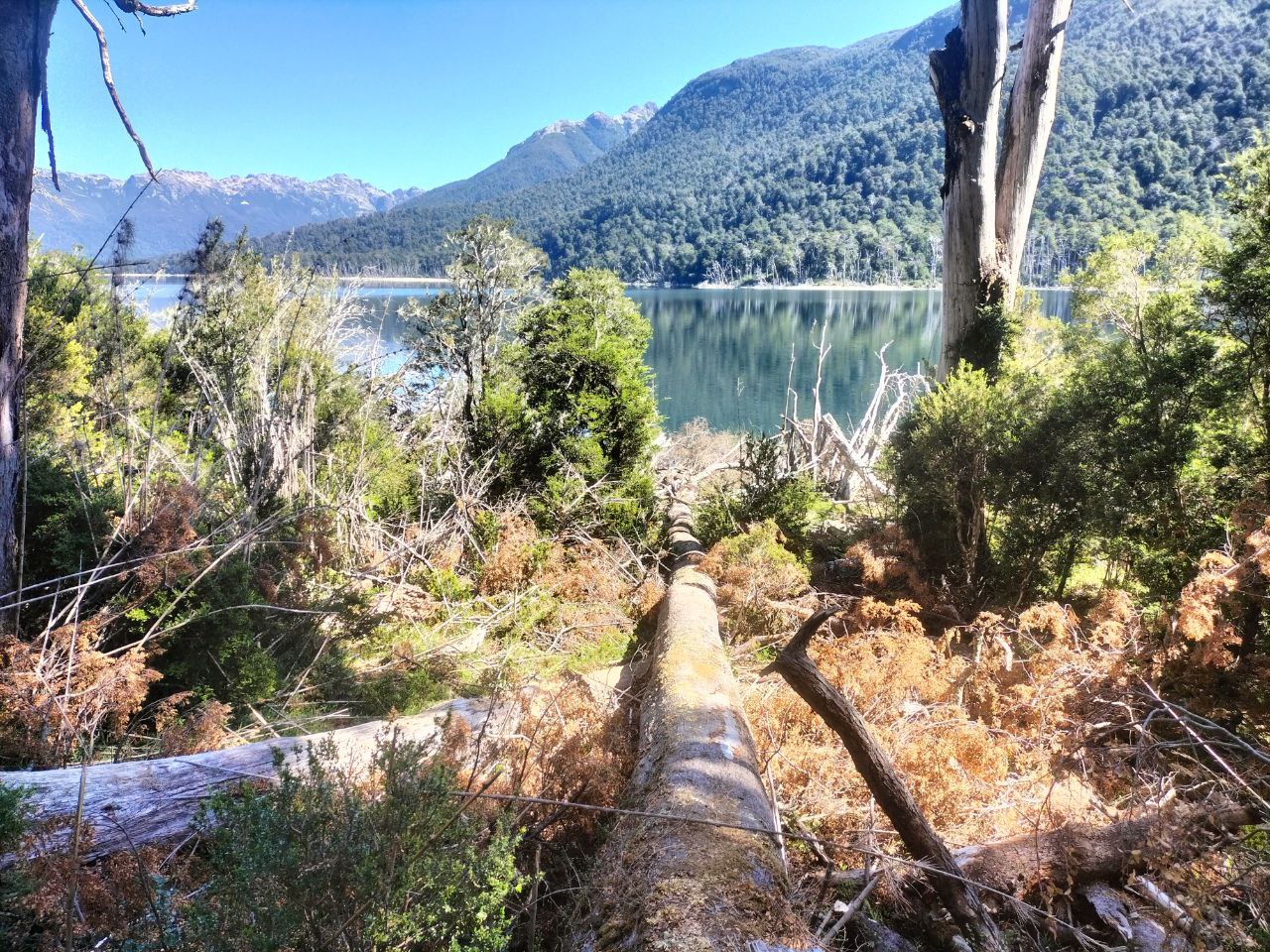
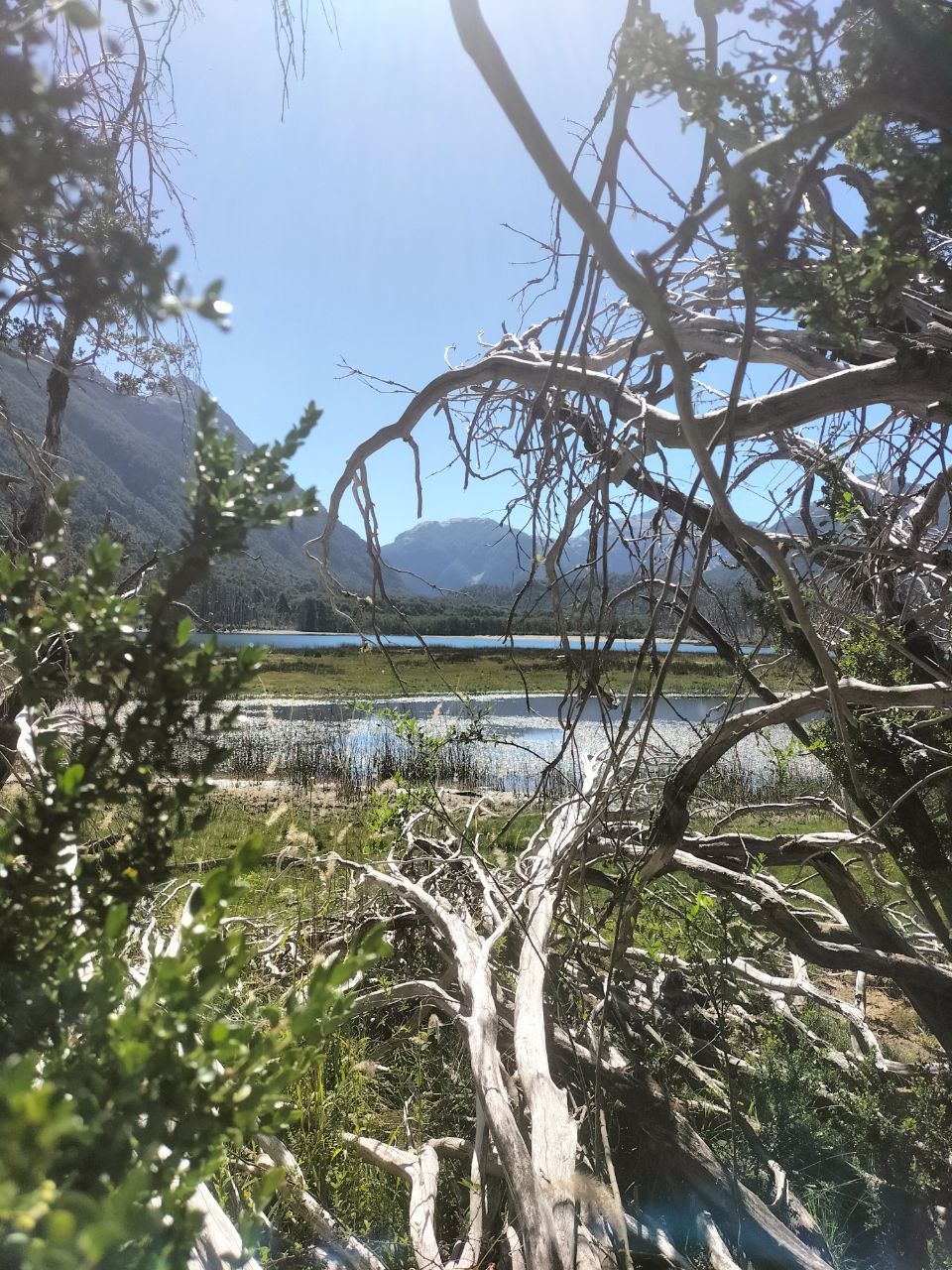
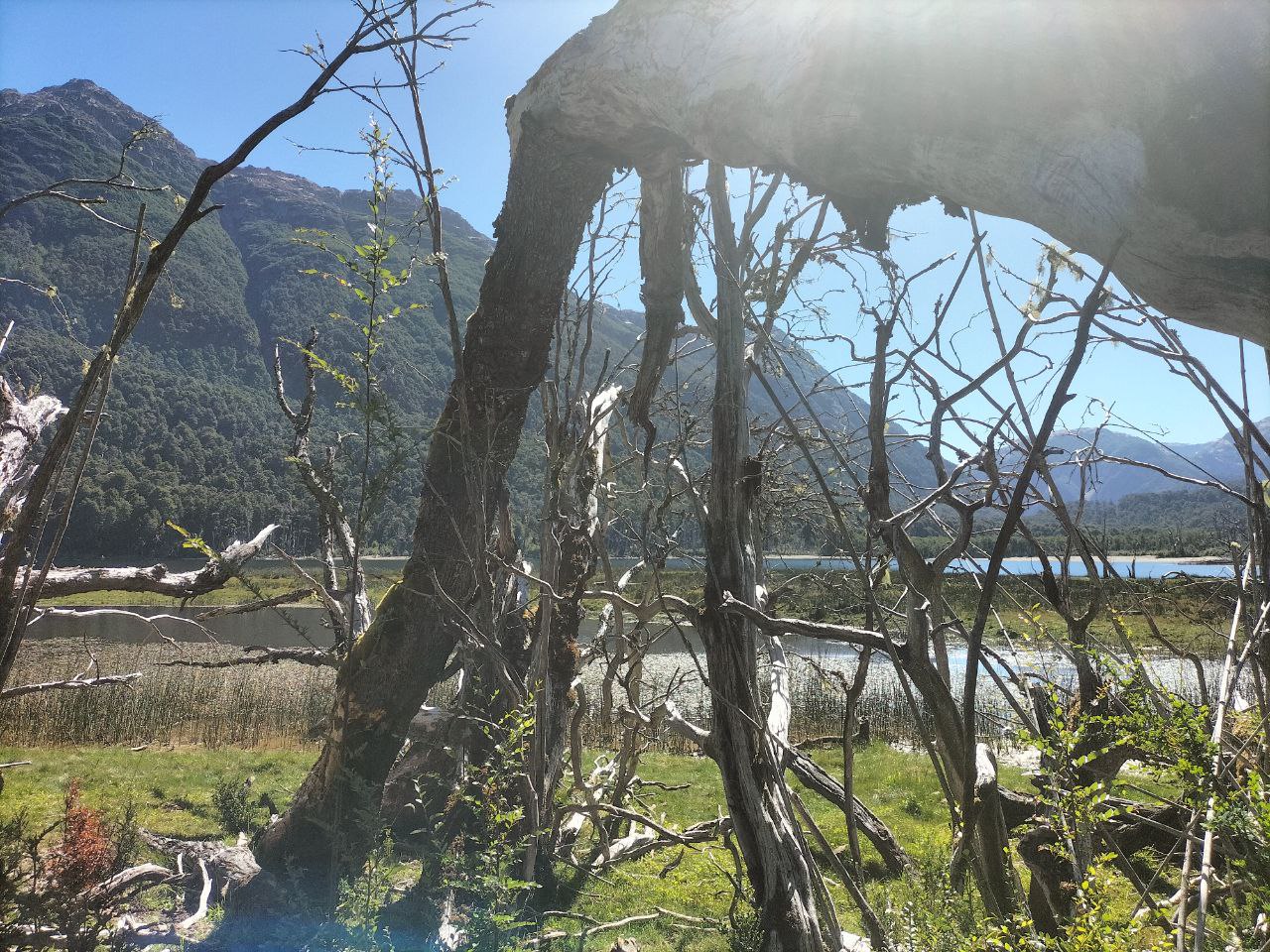
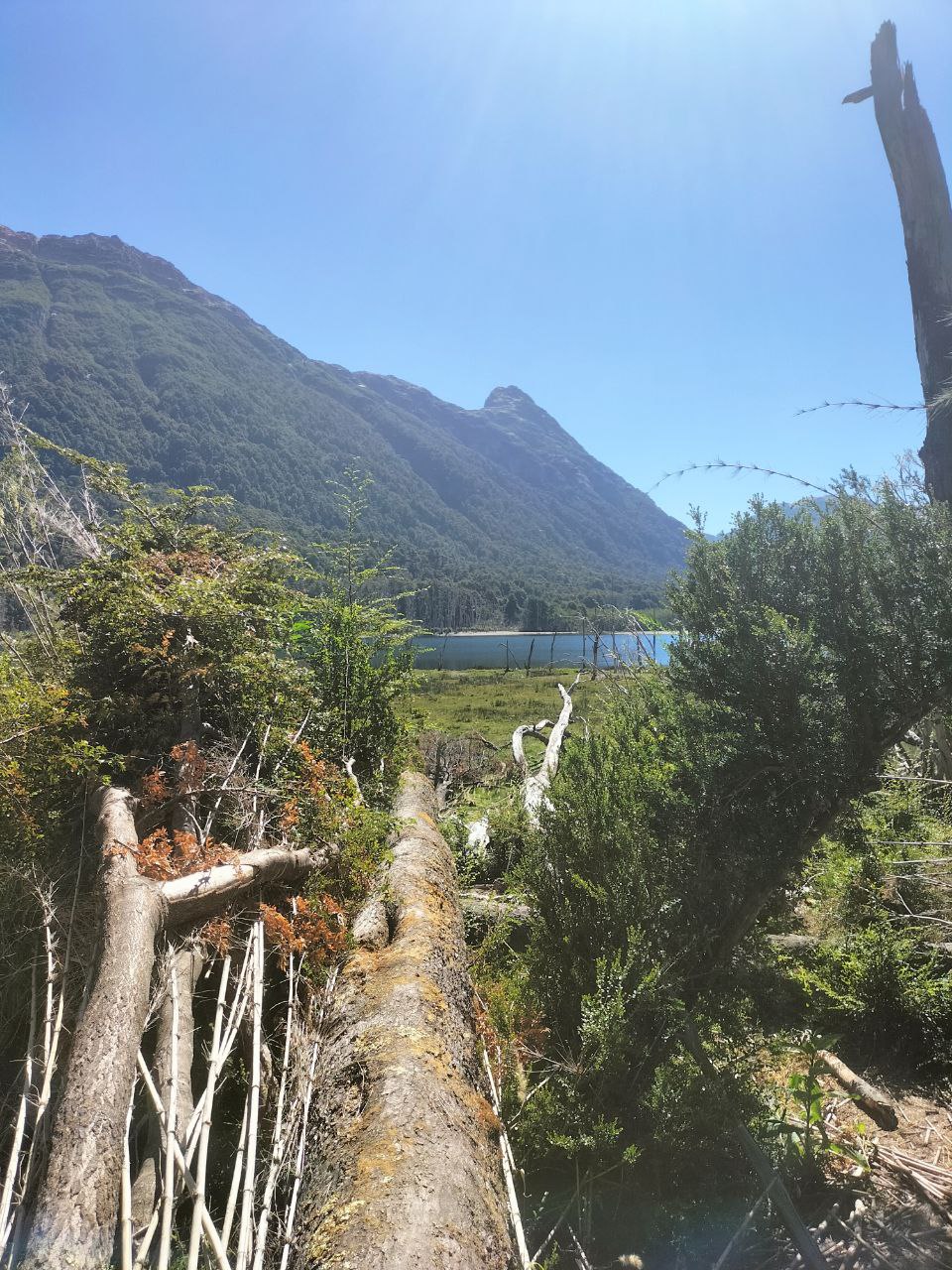
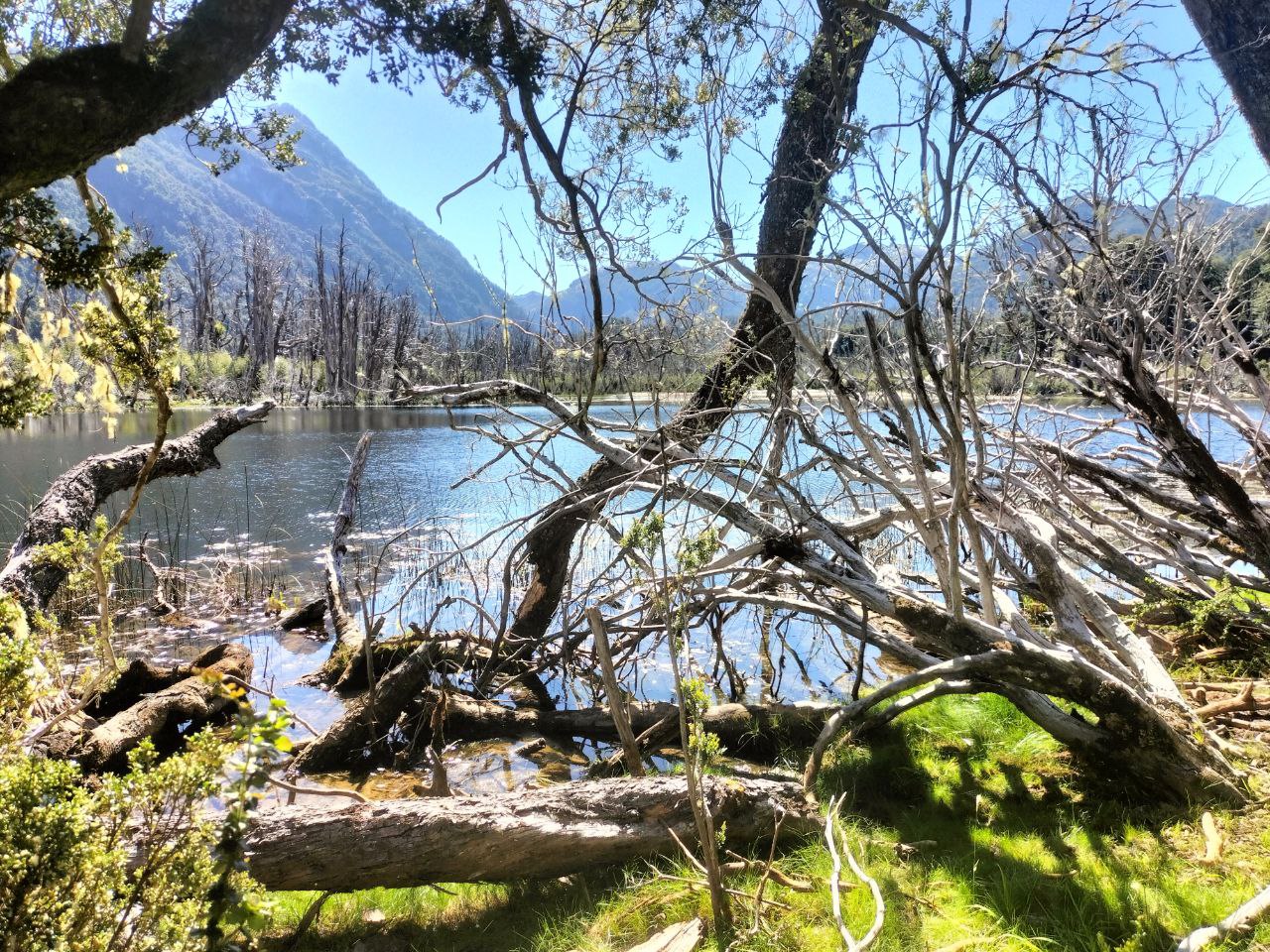
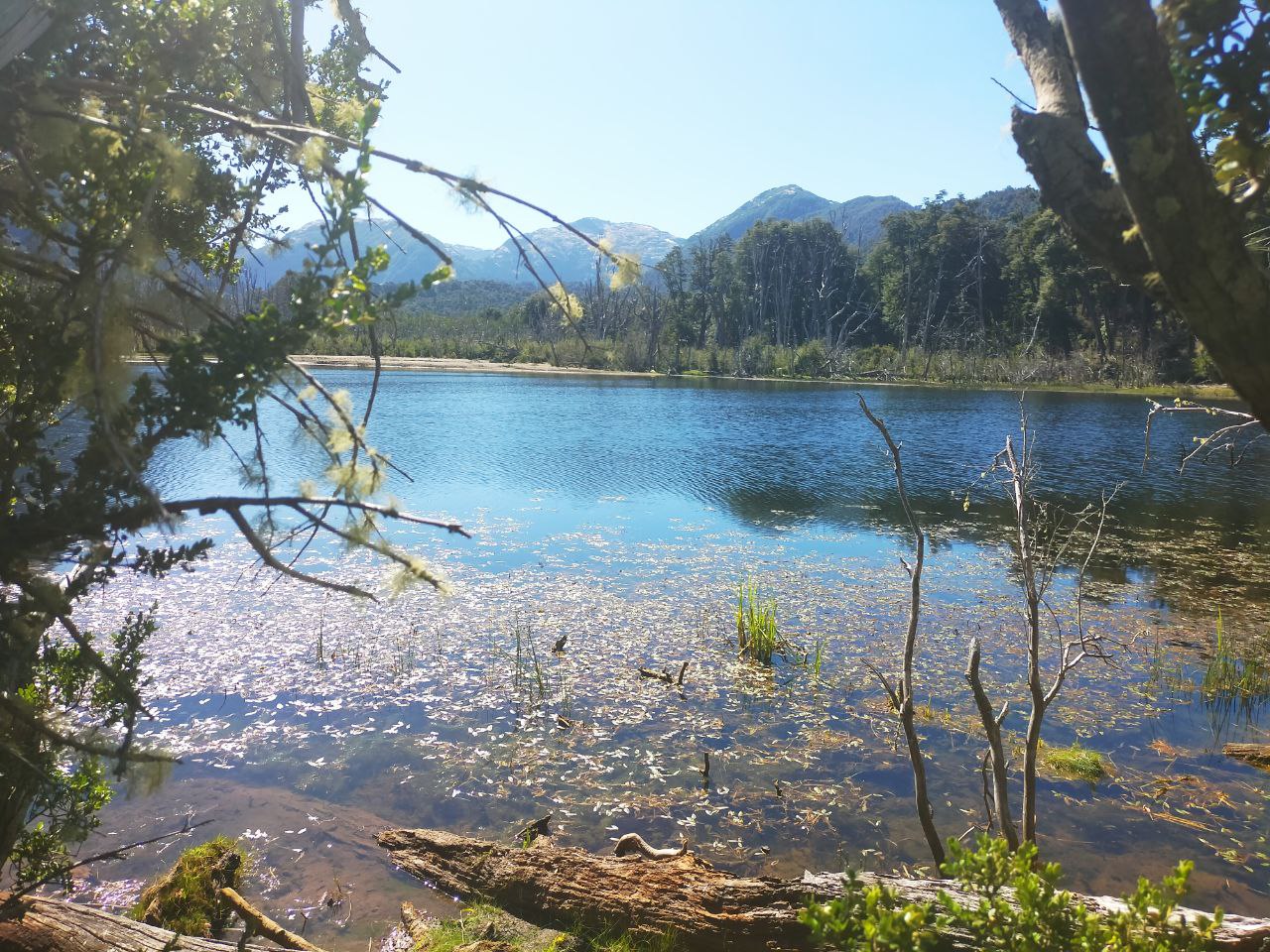
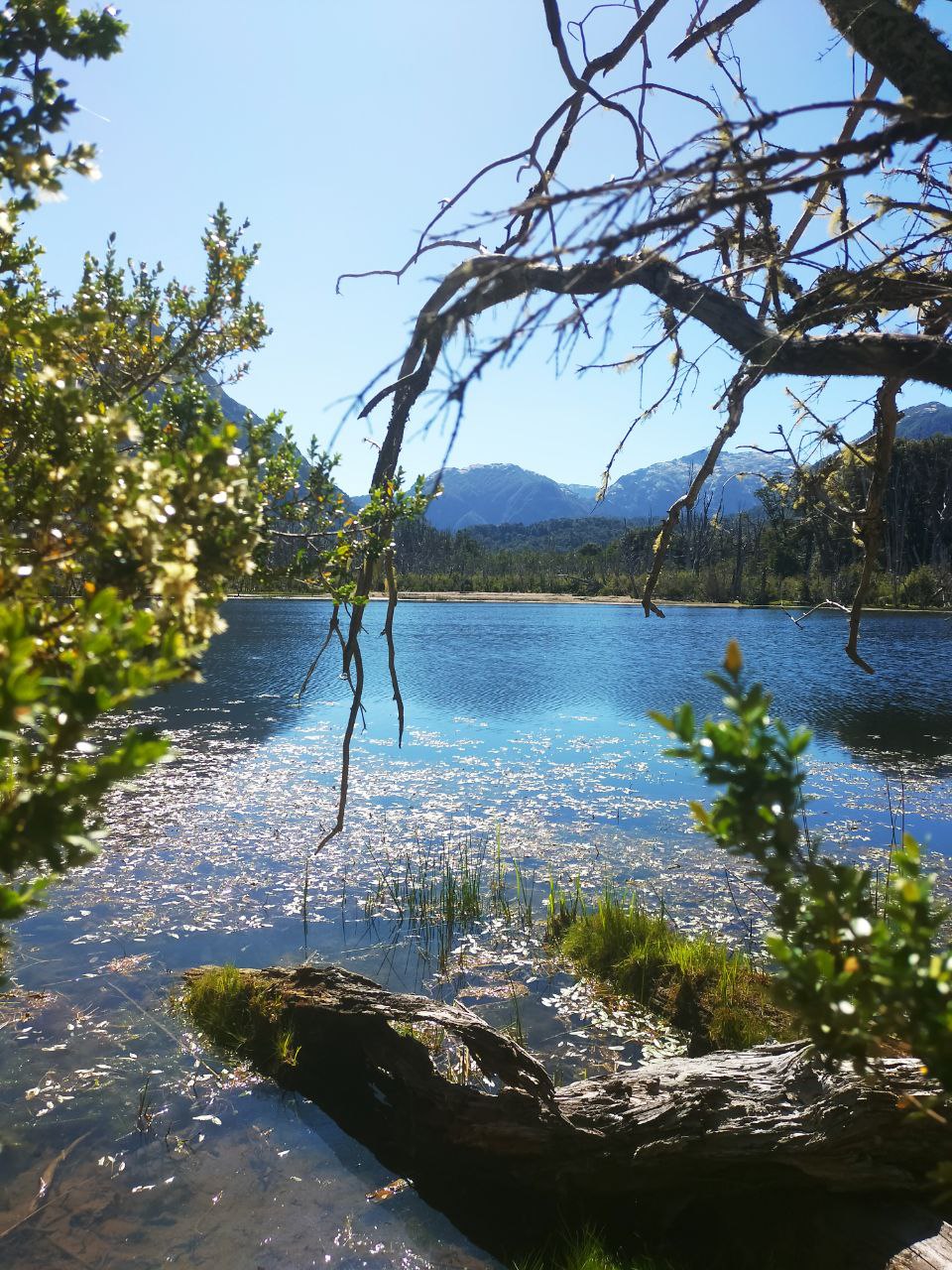
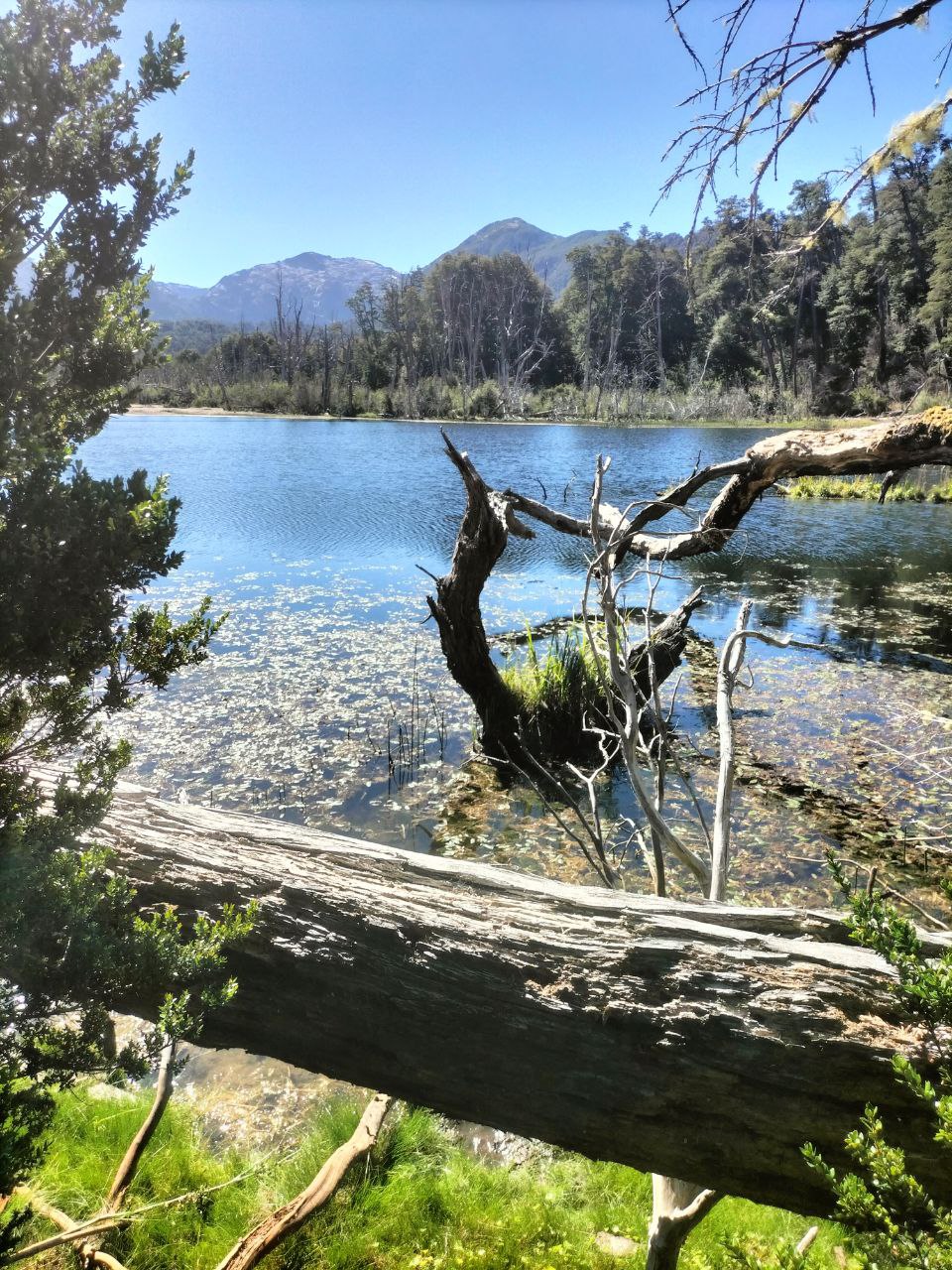
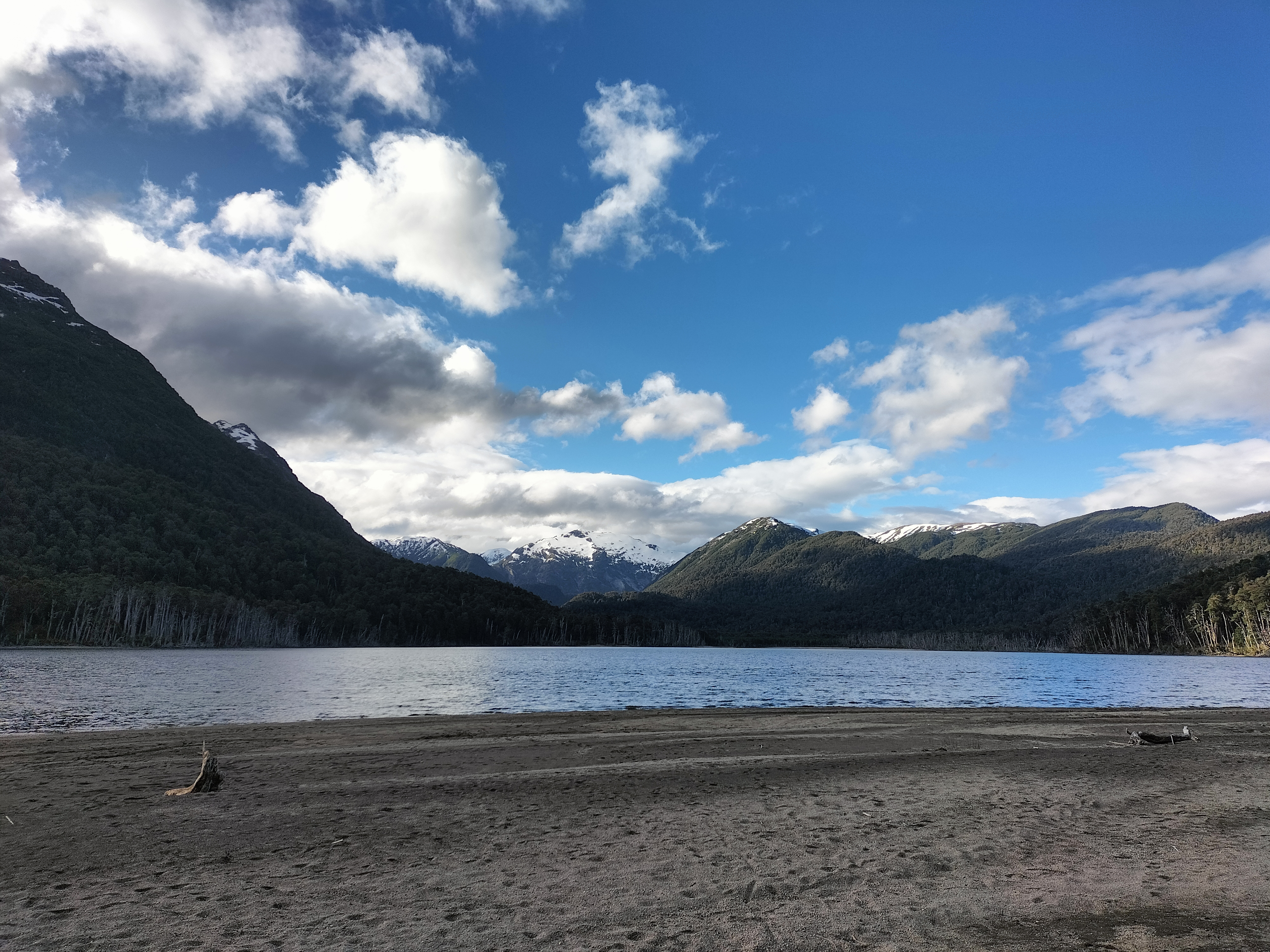
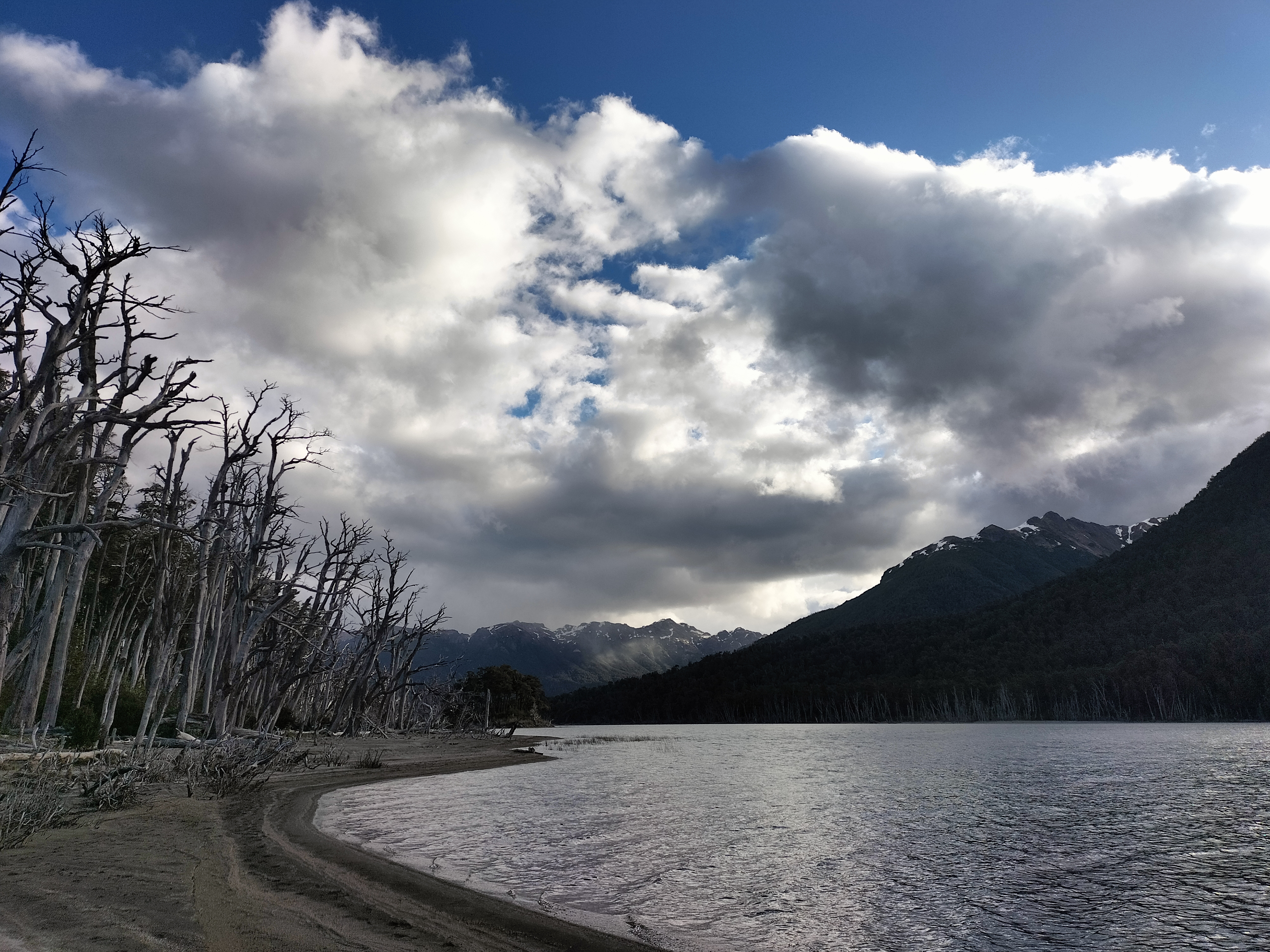
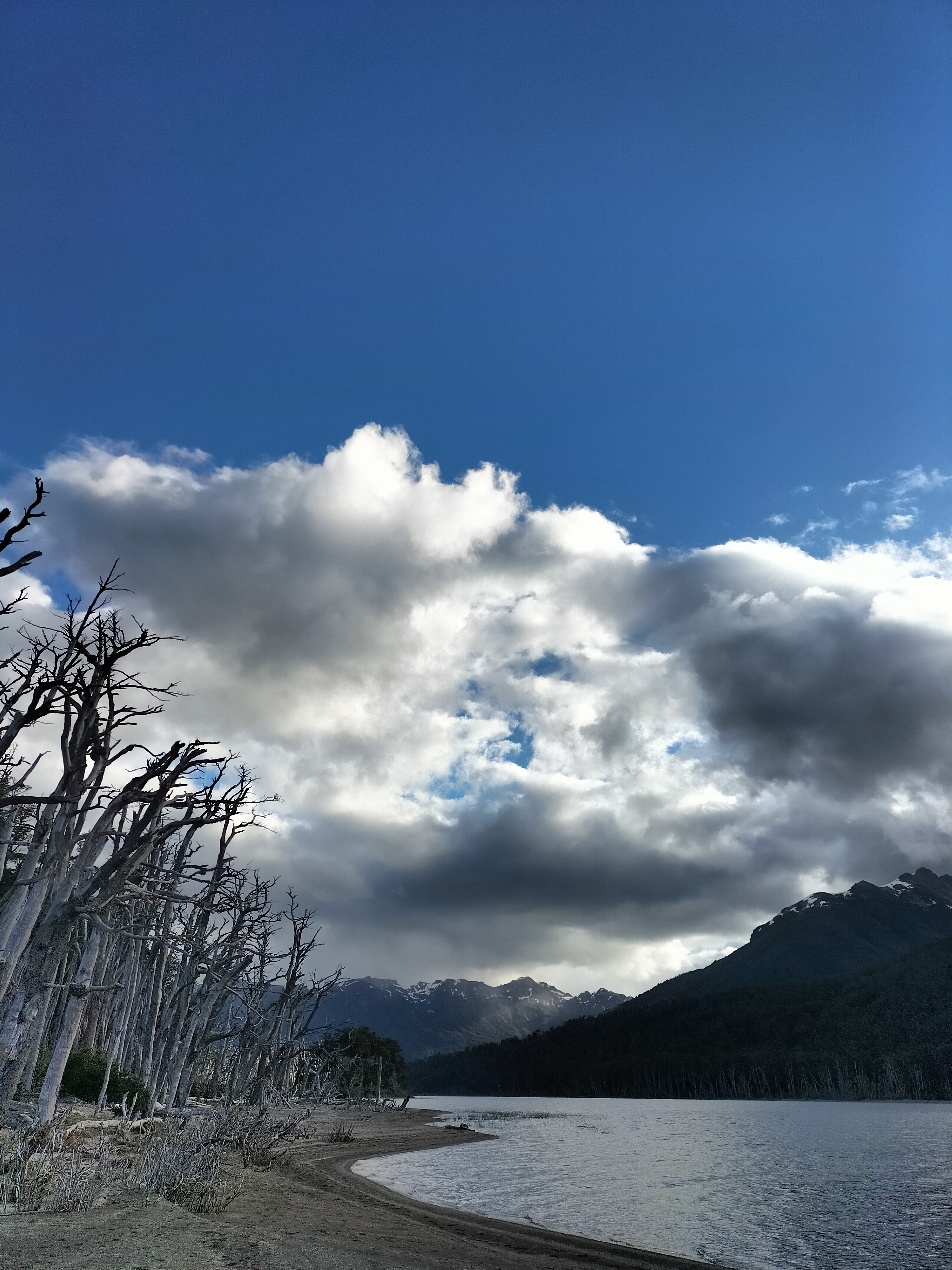
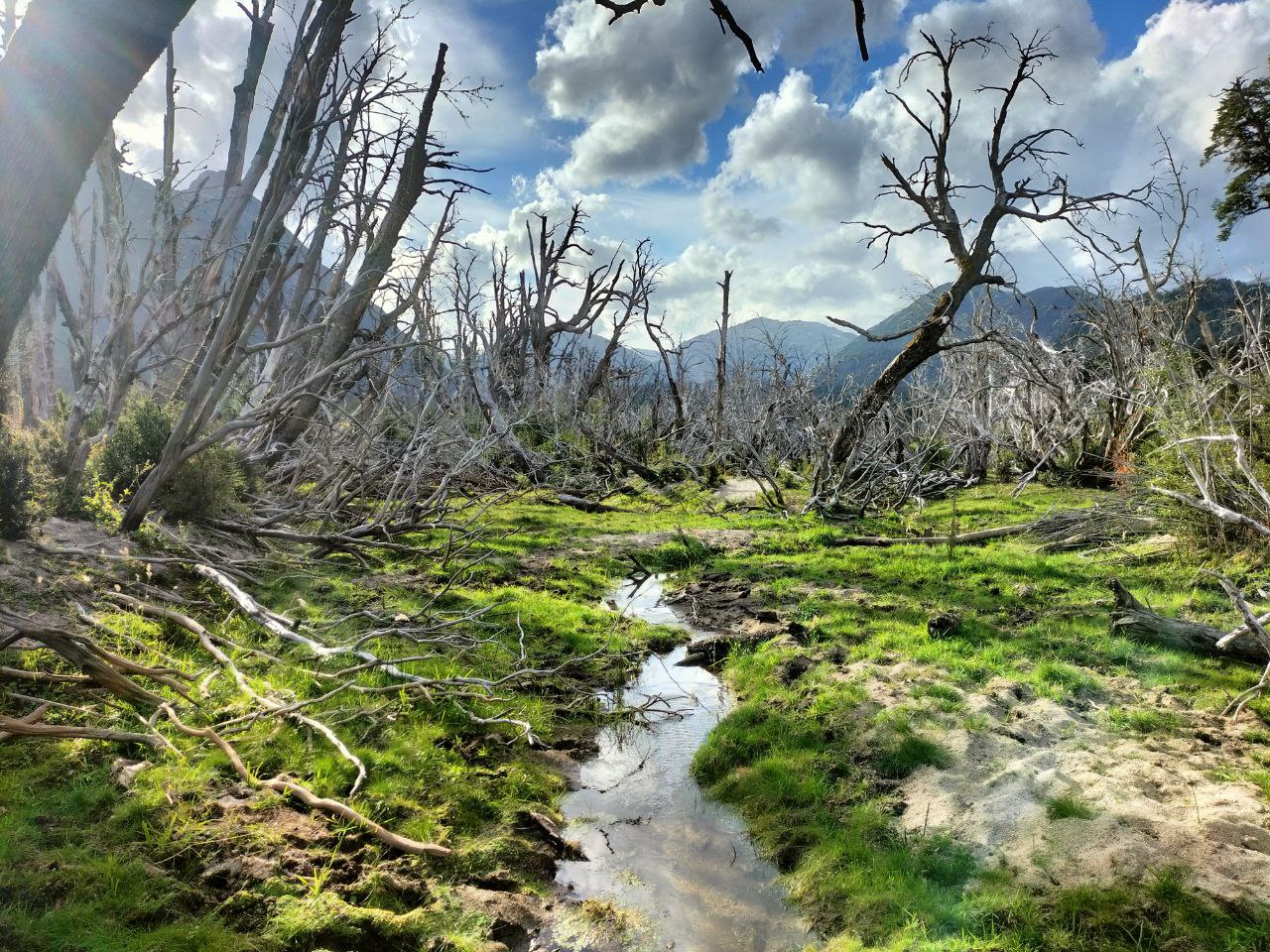
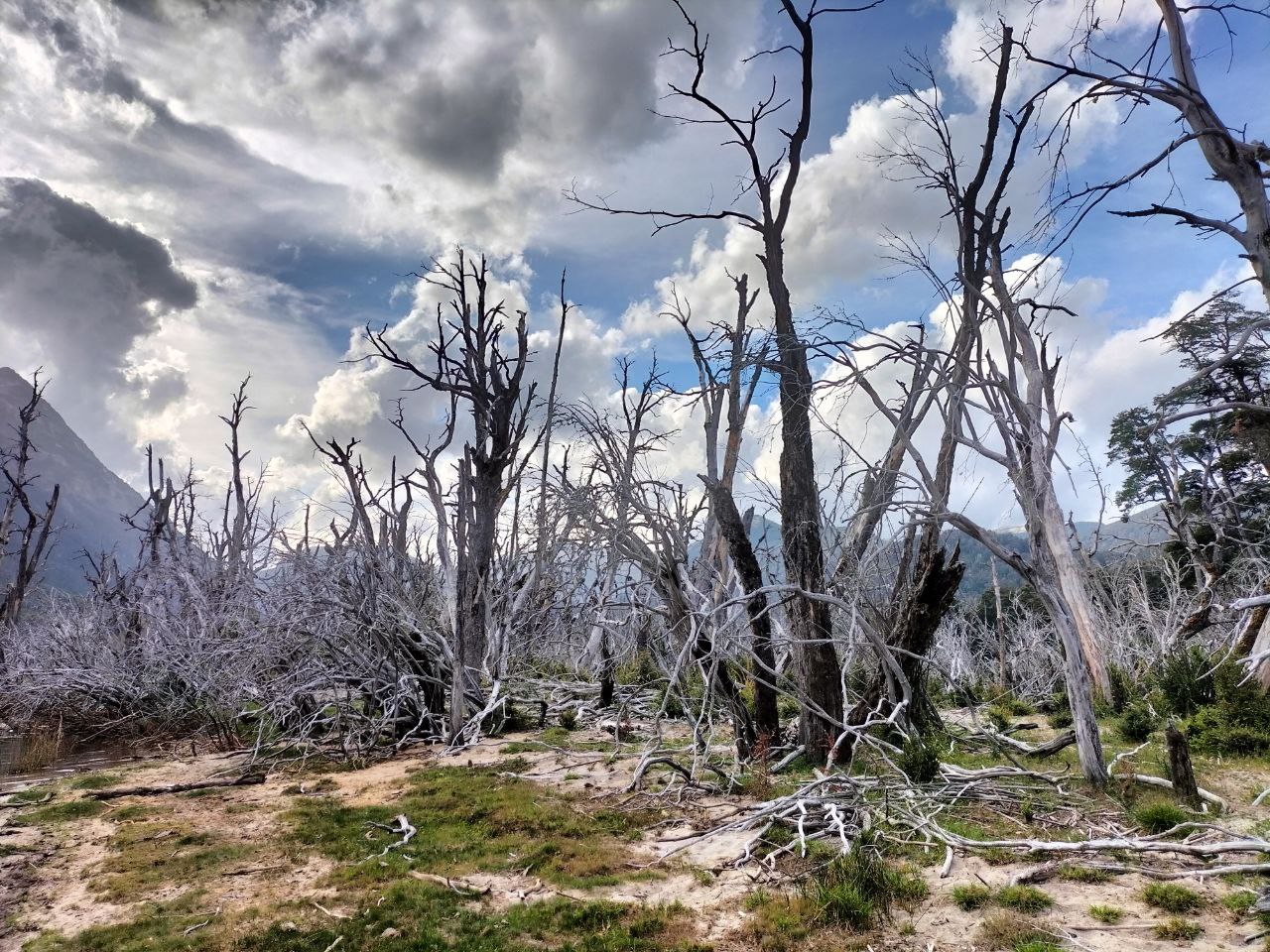
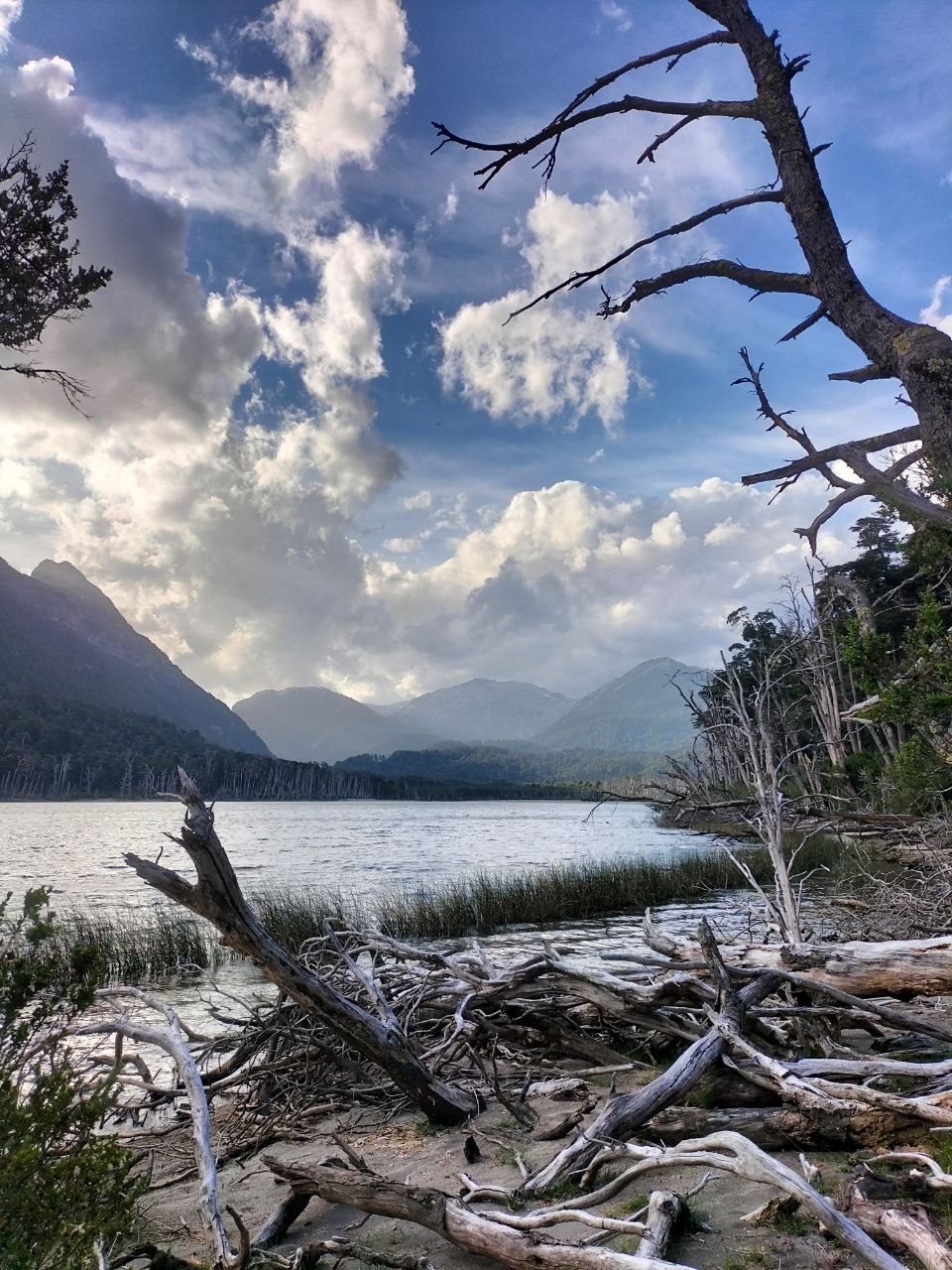
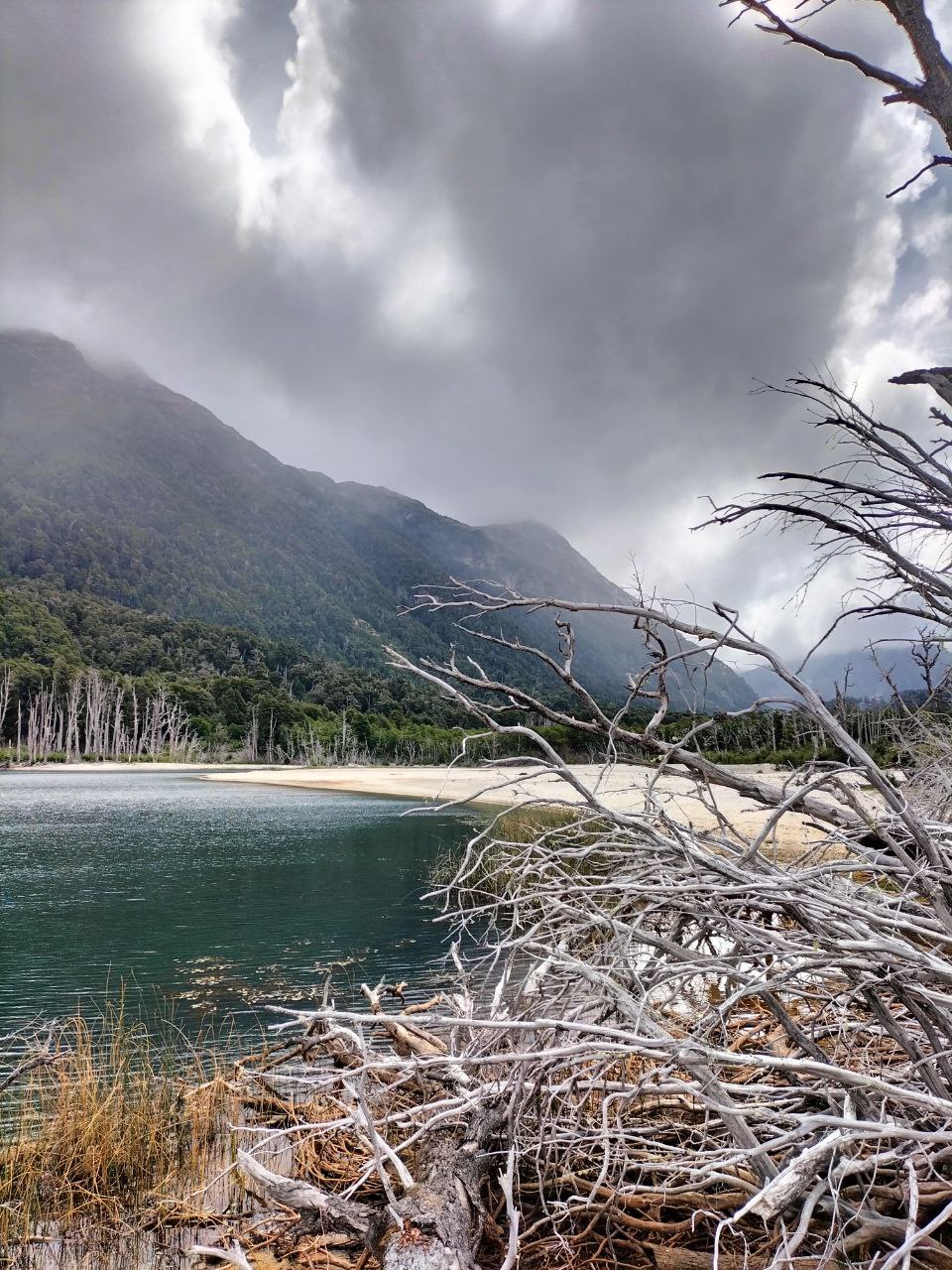
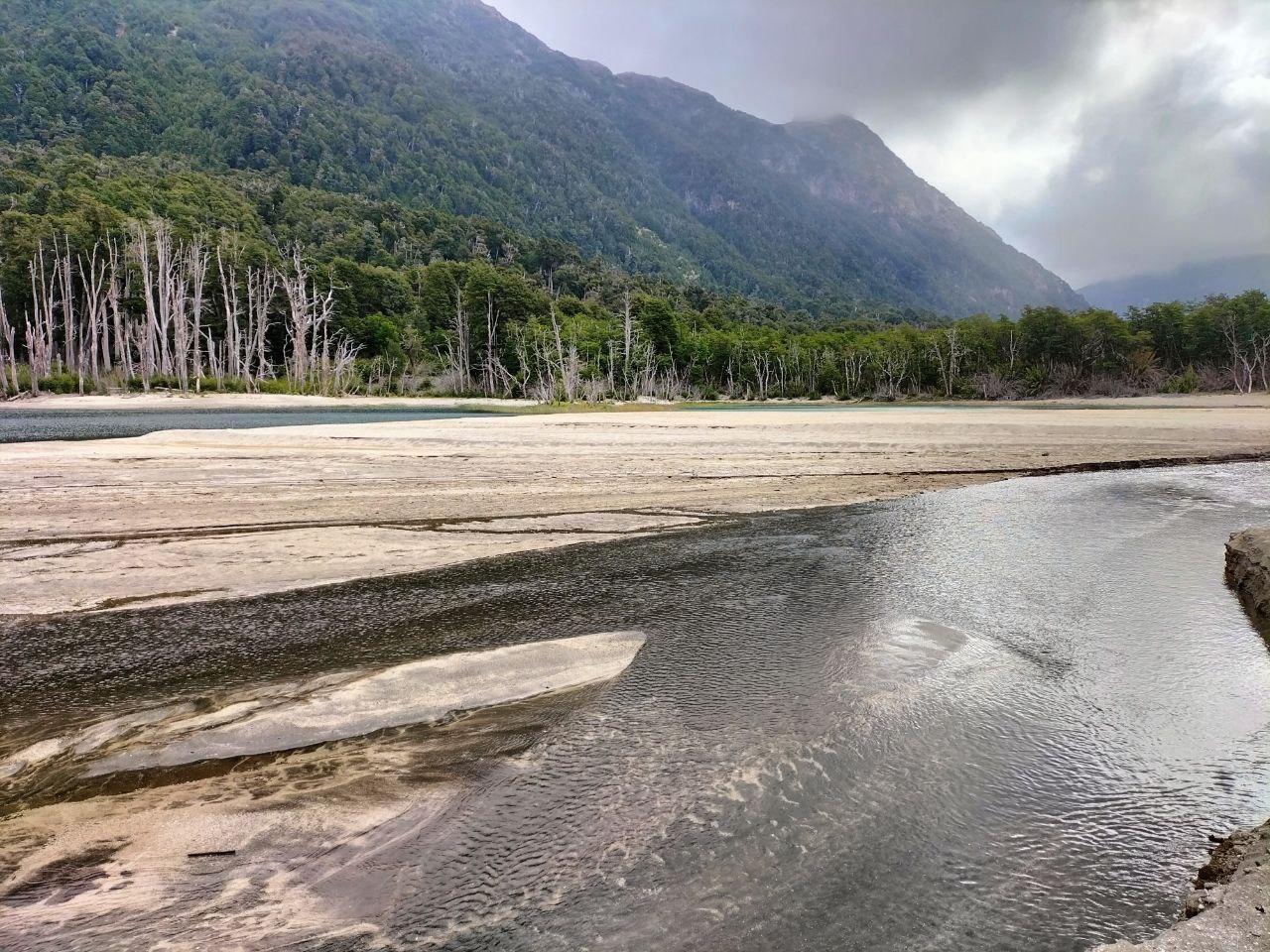
Lago Totoral, Neuquén Province, Argentina
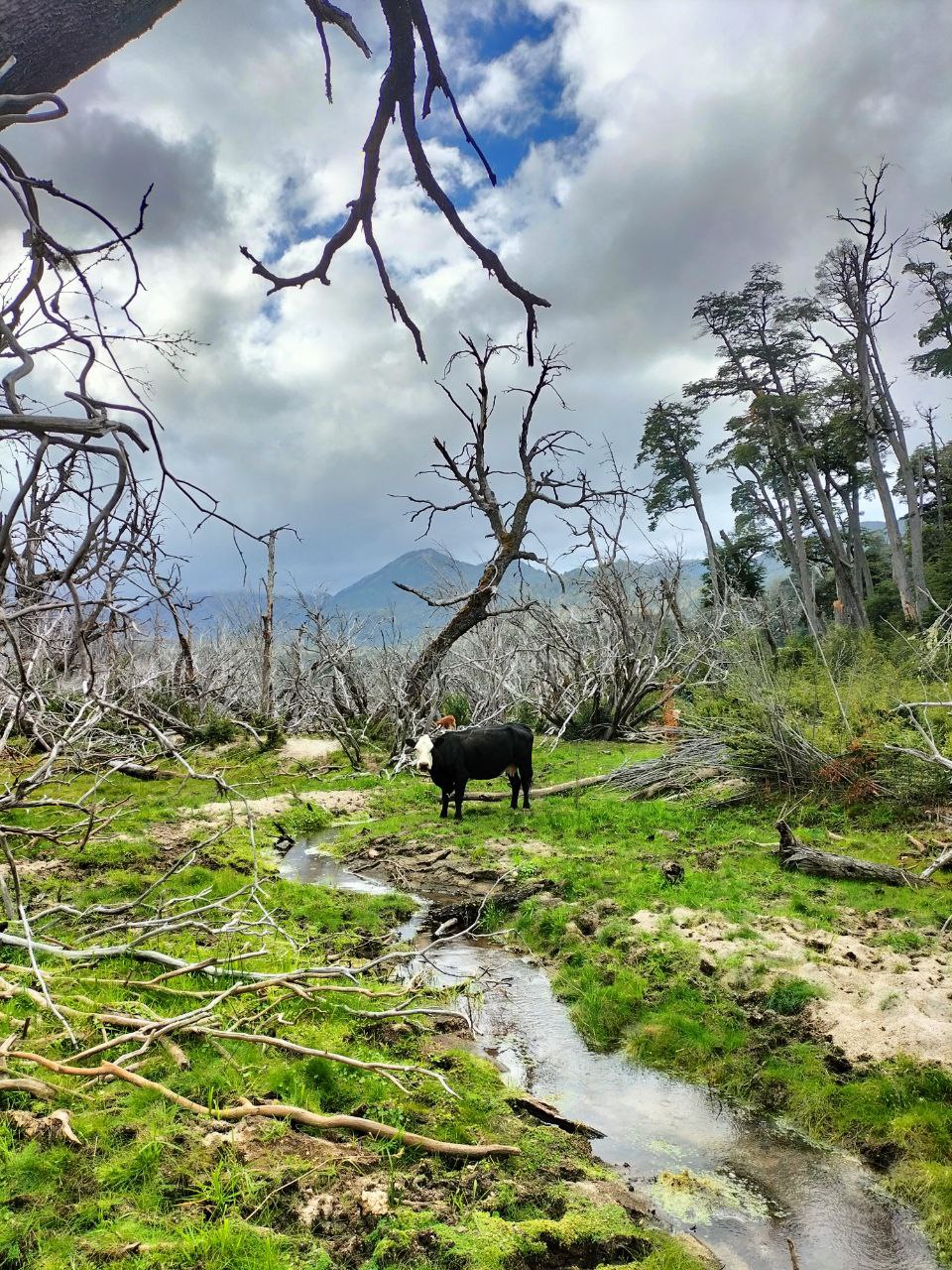
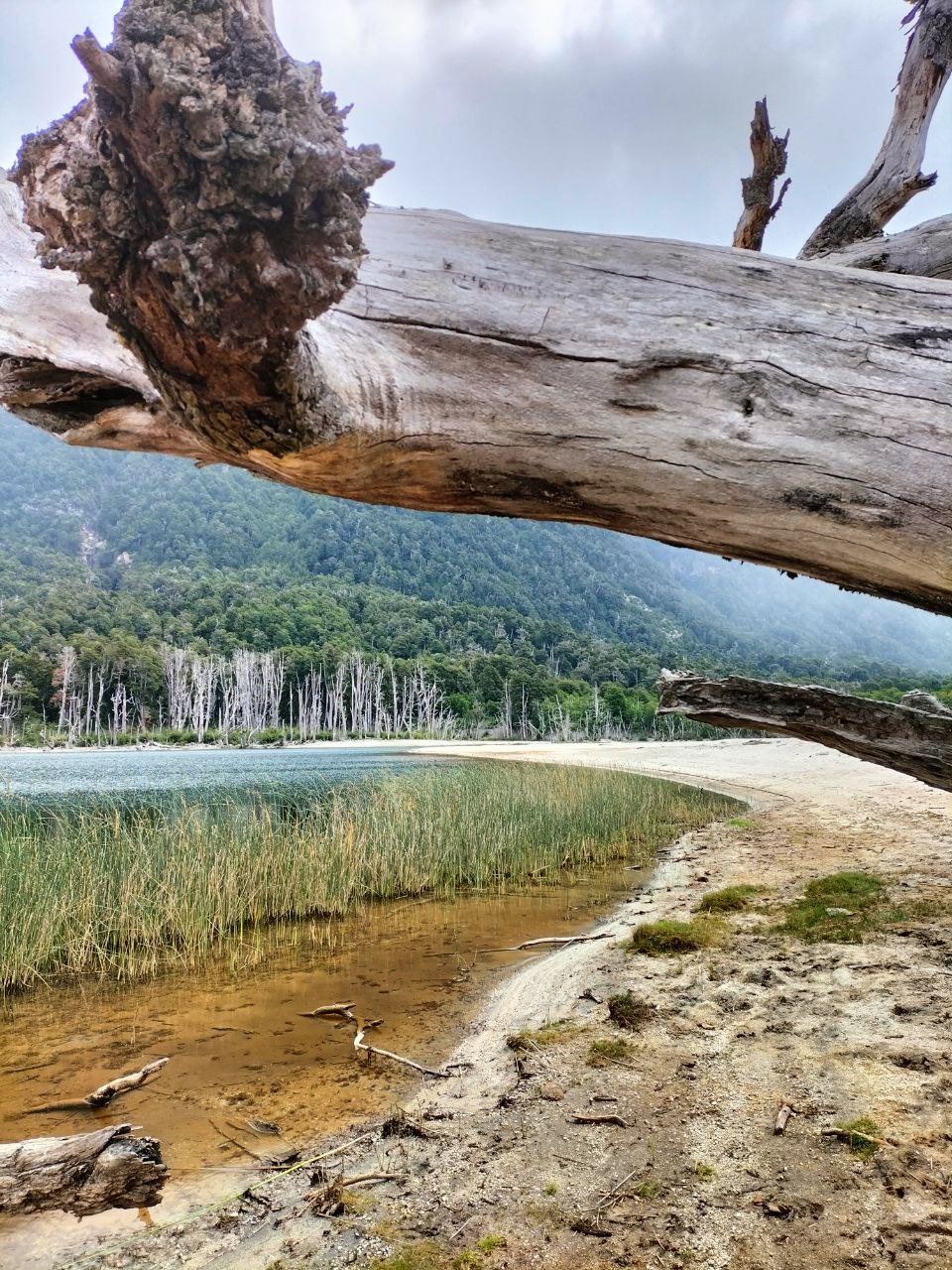
Location: In the remote Cordillera del Viento range, near the Andes, it is accessible via off-road routes.Altitude: Located at 1,600 meters (5,250 feet) above sea level, which gives it an alpine climate and crisp air.Ecology: The lake is surrounded by native Patagonian forests, mostly ñires and lengas (southern beech trees), and is home to a variety of wildlife, including Andean condors, pumas, and unique fish species.Size: Relatively small, but it offers pristine waters perfect for fishing and kayaking.
Lago Totoral is actually fed by underground rivers from melting glaciers in the surrounding Andes, which means its waters remain exceptionally cold year-round, even in summer. Local legend also tells of hidden hot springs near the lake, though their location remains a mystery to most visitors.
Additionally, very few know that Lago Totoral has historical significance. Mapuche communities in the area consider the lake to be sacred, and it was historically a stopover for indigenous hunters and traders traveling through Patagonia. Some locals say that on quiet mornings, you can still hear the echoes of ancient ceremonies in the wind.
Lago Totoral #youtube #1
Lago Totoral #youtube #2
 Iryna Kabanchuk